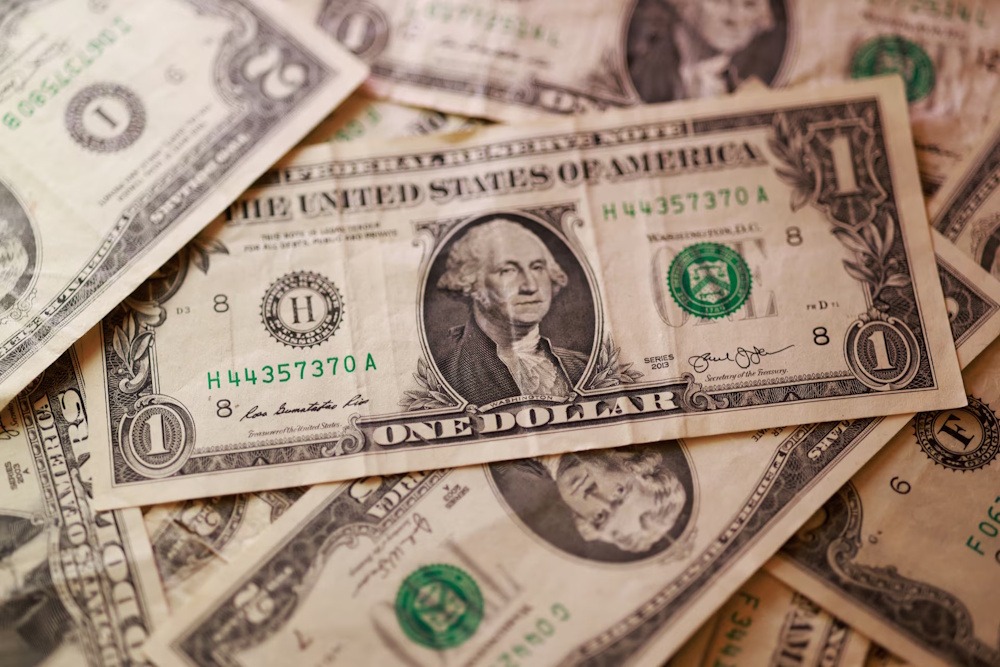
The dollar inched higher to maintain proximity to a two-month high on Monday, as the US-Iran standoff continued to elevate oil prices while investors anticipated a data-rich week for further insights on inflation and the actions of central banks. The euro and sterling experienced a decline of 0.1% against the dollar, with the latest values at $1.1379 and $1.3232, respectively, remaining close to multi-month lows in relation to the greenback. The dollar index, which measures the US currency against a basket of peers, was a touch higher at 101.15 and on track for a 1.7% gain in September, its best month since June. Oil prices experienced an increase exceeding 1% on Monday, with Brent crude futures trading above $106 a barrel.
This uptick followed US President Donald Trump’s dismissal of a peace agreement with Iran aimed at resolving their conflict and reopening the Strait of Hormuz. Energy supply risks and strong fundamentals in the US have intensified inflation concerns, leading traders to anticipate a more hawkish stance from the Federal Reserve. Additionally, the rise in long-end Treasury yields has provided support for the dollar. “The greenback could overshoot in the near term if energy market tensions persist and inflation risks continue to build,” said Sim Moh Siong. The bank’s base case anticipates a moderate rally of the USD as we approach year-end, he added. The market’s attention is poised to shift toward US data releases as the week progresses, with the PCE Index on Wednesday and non-farm payrolls on Friday both anticipated to align with expectations of further policy tightening.
At present, there is a 65% probability of an interest rate increase from the Federal Reserve during its upcoming meeting at the end of October, as indicated by CME Group’s FedWatch tool. Other data for the week include China PMIs, which will be released on Wednesday ahead of the week-long National Day holidays, as well as Japan and euro zone CPIs, both scheduled for Friday. The yen was last down 0.3% at 157.7 per dollar. It gained on Friday following a call between Japan’s Finance Minister Satsuki Katayama and US Treasury Secretary Scott Bessent, during which they reaffirmed that yen undervaluation is a matter of concern and expressed their intention to enhance cooperation between the two nations.
The Australian dollar fetched $0.7017, reflecting a decline of 0.07%, while the kiwi remained stable at $0.5661. The Reserve Bank of Australia is anticipated to increase interest rates by 25 basis points, reaching a near 15-year high of 4.60% on Tuesday. This is expected to mark the final rate increase in the current tightening cycle. Elsewhere, the offshore yuan depreciated to 6.7235 per dollar following the three-day summit between Trump and Chinese President Xi Jinping, which did not produce significant public breakthroughs on various contentious issues.