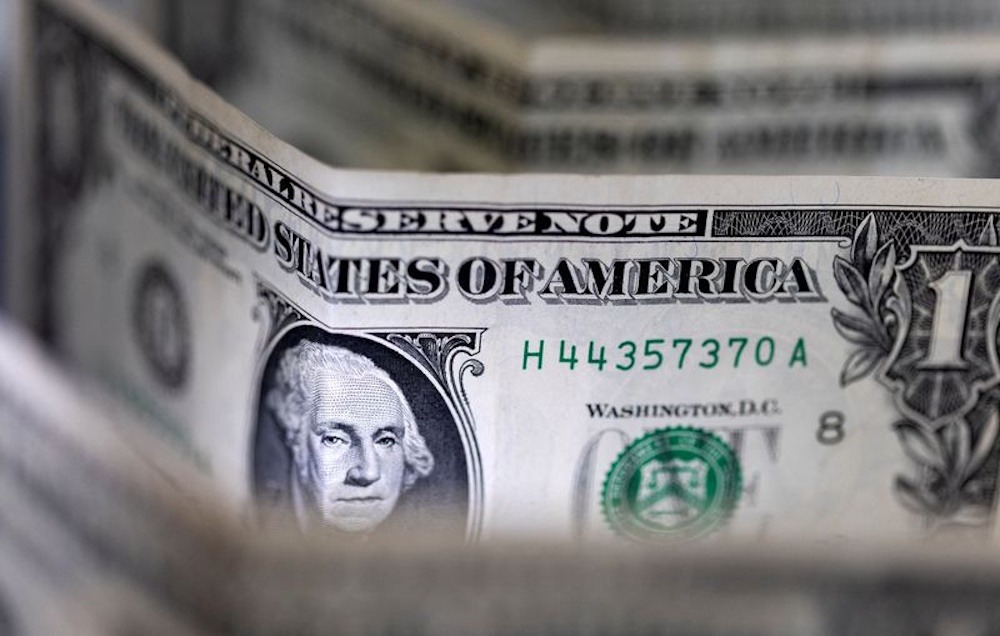
The dollar remained close to its peak levels of the previous week on Friday, as tensions in the Middle East drove up oil prices and bond yields in anticipation of the U.S. inflation figures set to be released later in the day. The U.S. dollar index, which measures the currency against six peers, was trading slightly higher at 99.15, following a 0.4% increase the previous day. Thursday’s dollar rally was prompted by the release of data indicating that U.S. producer prices increased in August, driven by a rebound in energy prices during the month, which in turn heightened expectations for U.S. rate hikes. Brent crude oil prices were poised to increase by over 7% for the week following the takeover of Yemen’s port city of Mocha by Iran-aligned Houthis, who have also progressed along the Red Sea coast toward key islands.
Energy prices experienced a decline on Friday, with Brent crude decreasing by 4% to $104 per barrel, following a surge to its highest level since May, approaching $110, the previous day. “Developments in the Gulf leave the balance of risks skewed towards higher oil prices, while stress in bond markets is increasingly bleeding into risk assets,” said Francesco Pesole. “That combination should favour a defensive rotation back into the dollar.” The euro declined by 0.2% to $1.159, whereas the pound remained unchanged at $1.351 following the release of data indicating that British growth exceeded expectations in July. Markets were anticipating the release of U.S. CPI at 8:30 a.m., representing one of the final significant data points prior to the Federal Reserve’s meeting next week. The data is likely to indicate that consumer prices accelerated in August as the cost of petrol rebounded.
Fed funds futures indicate a probability of approximately 70% for a 25-basis-point increase on September 16, up from about 60% the previous week, as per the CME Group’s FedWatch tool. A roiling global bond selloff gathered pace again on Thursday as traders priced in more rate hikes around the world, pushing the benchmark 10-year U.S. Treasury yield near the closely watched 5% level as investors also worried about high government debt levels. “The main focus in financial markets at the end of this week is the deepening sell-off in global bond markets, although the spillovers into the FX market have been modest,” said Lee Hardman.
The U.S. dollar experienced a decline of 0.3% against the Japanese yen, settling at 154.02, marking its second consecutive week of decreases. The Japanese currency regained some strength following the release of data on Friday, which indicated that wholesale inflation remained elevated in August, thereby strengthening the argument for a rate hike this month. The Bank of Japan is poised to increase interest rates next week, likely by 25 basis points, and may indicate a more rapid pace of tightening should price pressures elevate the risks of an inflation overshoot, according to four sources familiar with its deliberations as reported.