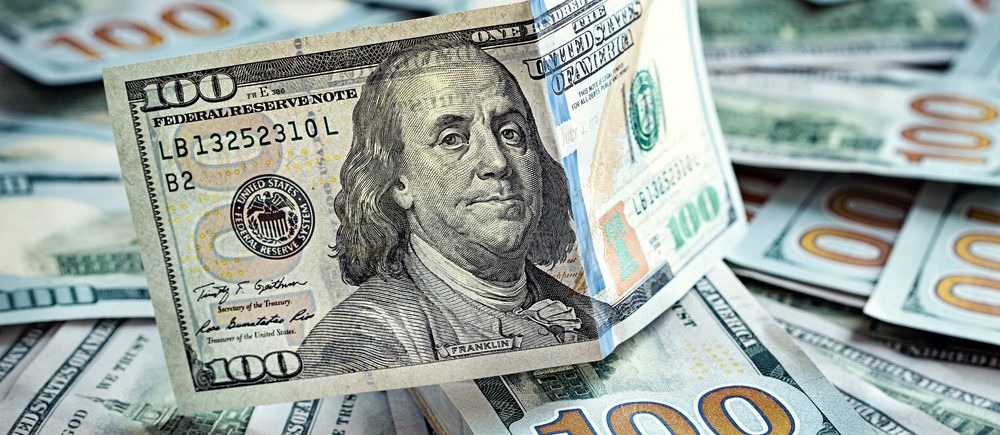
The dollar exhibited strength on Tuesday as renewed Gulf attacks triggered a global bond selloff and heightened inflation concerns, while the yen fell below 160 per dollar once more, despite increasing pressure on the Bank of Japan to consider raising interest rates. U.S. President Donald Trump issued threats of additional strikes against Iran following the initial direct attacks in a month, resulting in Brent crude futures surpassing $91 a barrel. This development has heightened concerns regarding inflation and triggered a selloff in bonds. The yield on 10-year Treasury notes reached its peak since January 2025, while the yield on 10-year Japanese government bonds climbed to 3% for the first time in three decades. U.S. Treasury Secretary Scott Bessent expressed his belief that Japan’s government and central bank would implement measures resulting in a stronger yen.
While the BOJ was already widely anticipated to raise rates in September, Bessent’s remarks effectively bind the bank to this course of action and intensify the pressure on it to accelerate rate hikes in the future. Yet neither the increase in yields nor Bessent’s remarks were sufficient to halt the yen’s depreciation. The currency traded at 159.99 per dollar after breaching 160 for the third consecutive session, a level widely regarded as heightening the risk of intervention by Japanese authorities. “Investors remain focused on Japan’s still-unfavorable rate differential with the United States and doubts over how aggressively the Bank of Japan will tighten policy,” said Joel Kruger. “Markets appear unconvinced that verbal pressure alone will reverse the yen’s weakness, leaving the currency vulnerable unless the BoJ delivers a clearly more hawkish signal or authorities intervene directly.” A rare joint intervention from the U.S. and Japan at the end of July provided short-lived relief for the fragile yen, pulling it away from the 40-year lows of 163.99. However, the currency has since relinquished most of the gains from this joint action.
Japanese Finance Minister Satsuki Katayama stated that she met with Bessent and concurred that orderly yen movements are essential for the stability of global markets. Beyond the yen, the dollar maintained broad support as traders increased their expectations for a rate hike from the Federal Reserve in September, following last week’s hawkish comments from Fed Chairman Kevin Warsh. The euro was 0.2% weaker at $1.1589 in anticipation of the euro zone inflation report, following a rise of over 1% in August. Sterling last fetched $1.3532 following a 0.5% increase last month. The dollar index, which measures the U.S. currency against six other units, was 0.2% higher at 99.623. In his inaugural address at the Jackson Hole symposium of central bankers, Warsh indicated that the Fed will “have work to do” if inflation does not show signs of cooling. However, many on Wall Street continued to express uncertainty regarding how the U.S. central bank will respond to economic shifts in the forthcoming months.
Traders are factoring in a 65% probability of a Federal Reserve interest rate hike later this month, an increase from the 41% observed a week prior, according to the CME FedWatch tool. “He wants to stamp the view that the Fed will deliver on its inflation mandate. However, in our view, it does not necessarily translate into a hiking cycle. Fed is going to be data dependent, and we expect the coming months inflation prints to remain benign,” Mohit Kumar said in a note. A series of U.S. economic indicators released this week, culminating in the nonfarm payrolls report on Friday, may significantly influence expectations regarding the Federal Reserve’s policy trajectory. In other currencies, the Australian dollar was at $0.7152, while the New Zealand dollar fetched $0.5900 after both currencies reached multi-month highs.