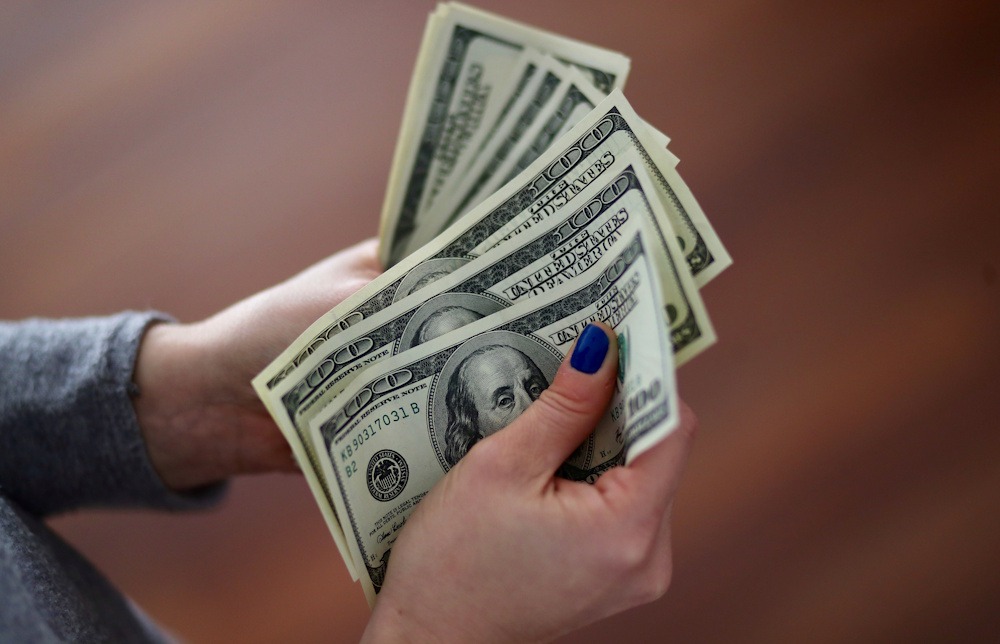
The U.S. dollar reached three-month lows on Thursday following the Treasury Department’s efforts to stabilise a bond market rout that had driven long-end yields to their highest levels since 2007, diminishing support for the currency. The dollar index, which measures the U.S. currency against six other units, was at 98.813, around its lowest level since mid-May. The euro was at $1.1676, positioned at its highest level since late May. Investors have been contending this week with a pronounced selloff in the bond market across the U.S., Europe, and Japan, driven by escalating concerns regarding surging government debt and the looming threat of increased oil prices, attributed to the stagnation in resolving the U.S.-Israeli conflict concerning Iran.
The 30-year Treasury yield reached a 19-year peak of 5.337% earlier this week, leading the U.S. Treasury to announce on Wednesday its intention to double liquidity support buyback operations for longer-dated bonds. The 30-year yield was last at 5.184% after a decline of 9 basis points, a development that effectively reallocates a greater portion of the government’s borrowing to short-term bills, while the Treasury engages in the buyback of longer-dated debt. “The buyback is not QE (quantitative easing) but the Treasury blinked,” said Prashant Newnaha. “While the buyback begins on September 9, more interesting was the news around further details on future buybacks to be released on November 4,” Newnaha said. “November 4 is the day after the midterm elections. Quite clearly the Treasury is leaving the door open to increase future purchases.”
The implication for the dollar is that it has lost one of its strongest remaining pillars of support and the currency’s high for the year may be behind it, said Matt Simpson. “U.S. Treasury has just made it clear they don’t want to see the 30-year yield at its pre-global financial crisis level of 5.3%. The question now is whether bond traders want to play nicely and support the market to cap yields,” he said. The weakness of the dollar offered a degree of relief to the Japanese yen, allowing the vulnerable currency to distance itself from the significant 160 threshold. The yen was last at 158.45 per dollar, relinquishing a portion of its overnight gains. Sterling was at $1.3604, just shy of the three-month high, while the Swiss franc last bought 0.7999 per U.S. dollar, easing from the two-month high it hit in the previous session.
Meanwhile, concern about inflation deepened at the Fed’s meeting last month, with several policymakers prepared to raise interest rates and many indicating that an increase in borrowing costs would be necessary if inflation did not decline to the U.S. central bank’s 2% target, as the minutes of the session revealed. Nick Twidale indicated that the upcoming sessions would offer insight into the market’s perspective regarding the Treasury move. “Always feel the market will want to test the credibility of the action, which could lead to a further dampening of sentiment on the medium term,” he said.