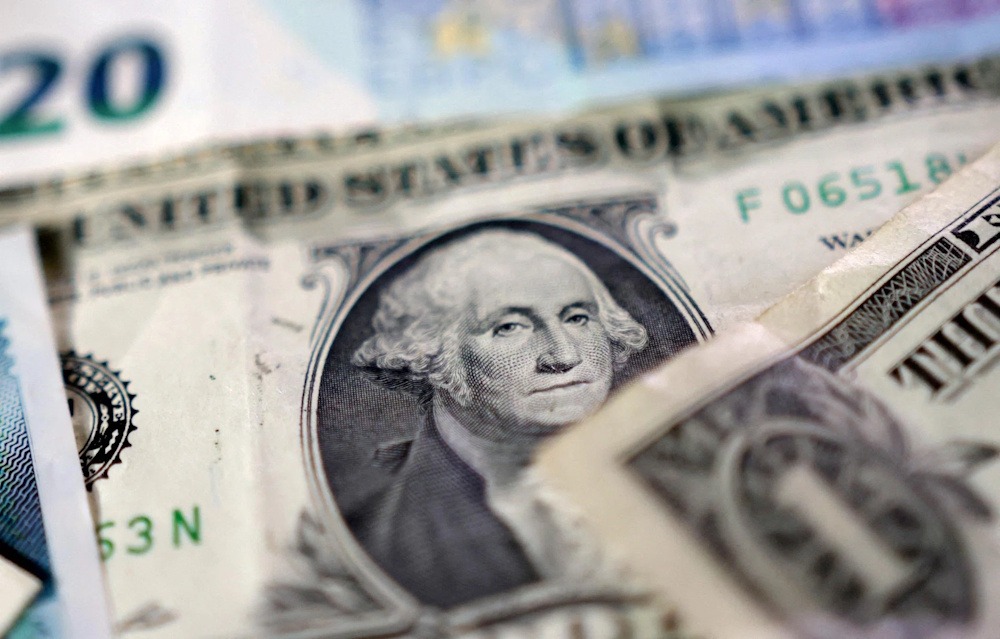
The dollar maintained stability and momentarily reached a one-week peak during Asian trading on Wednesday, as doubts regarding U.S. President Donald Trump’s declaration of an indefinite ceasefire with Iran increased the appeal for the safe-haven currency. The remarks made by U.S. Federal Reserve nominee Kevin Warsh during a Senate confirmation hearing were perceived as somewhat hawkish, contributing to the boost, alongside robust retail sales data that painted a positive picture of the American economy’s strength. The U.S. dollar index, which gauges the greenback’s strength against a basket of six currencies, declined to 98.367 after reaching its highest level since April 13 earlier in the day. Trump has extended the deadline for the ceasefire indefinitely while maintaining the blockade on Iranian ports, as noted in a research report. “This situation keeps the timeline for the normalization of energy export flows from the Strait of Hormuz in a state of uncertainty.”
Most other currencies remained stable following the ceasefire extension. The euro maintained its position at $1.1742, while the British pound remained unchanged at $1.3511. The Australian dollar increased by 0.1% to $0.7157, while the New Zealand dollar rose by 0.2% to $0.5907. Against the yen, the U.S. dollar remained unchanged at 159.35 yen following earlier data indicating that Japan’s exports increased for the seventh consecutive month, showing resilience despite the disruptions from the Gulf conflict. The market faces challenges due to the rifts between the hardline Islamic Revolutionary Guard Corps and the more moderate factions within the Iranian government, according to Tony Sycamore. It is important to recognize that this internal power struggle continues to be the most significant barrier to achieving a sustainable agreement, and the outcome of this situation is yet to be determined,” he stated.
In March, U.S. retail sales experienced a notable increase of 1.7%, surpassing the anticipated rise of 1.4%. This uptick was influenced by the ongoing conflict with Iran, which resulted in higher gasoline prices and a significant spike in receipts at service stations. Additionally, tax refunds played a crucial role in supporting spending in other sectors.
In Washington, Warsh stated on Tuesday that he had not made any commitments to Trump regarding interest rate cuts, as he sought to reassure U.S. senators considering his confirmation to head the U.S. central bank that he would operate independently of the White House while implementing comprehensive reforms. “The most interesting points were probably that he emphasised the Fed’s independence and clearly rejected any request from President Trump to cut rates; taken together, the overall tone could be described as slightly hawkish,” said Junya Tanase.
Nonetheless, given that OIS pricing showed minimal movement following Warsh’s comments, the increase in U.S. yields and the strength of the USD observed yesterday were likely primarily influenced by rising oil prices linked to news from Iran. This indicates that Warsh’s influence was somewhat constrained,” he noted, referencing overnight indexed swaps, a tool traders utilize to assess market expectations regarding central bank actions. Traders are adjusting their expectations regarding the timing of the Federal Reserve’s next move to ease monetary policy, and there remains a lack of confidence in the likelihood of rate cuts until well into 2027. Fed funds futures indicate a 59.7% implied probability that the U.S. central bank will maintain rates at its meeting concluding on April 28 next year, in contrast to a 56.7% likelihood of a rate cut the day prior, as reported.