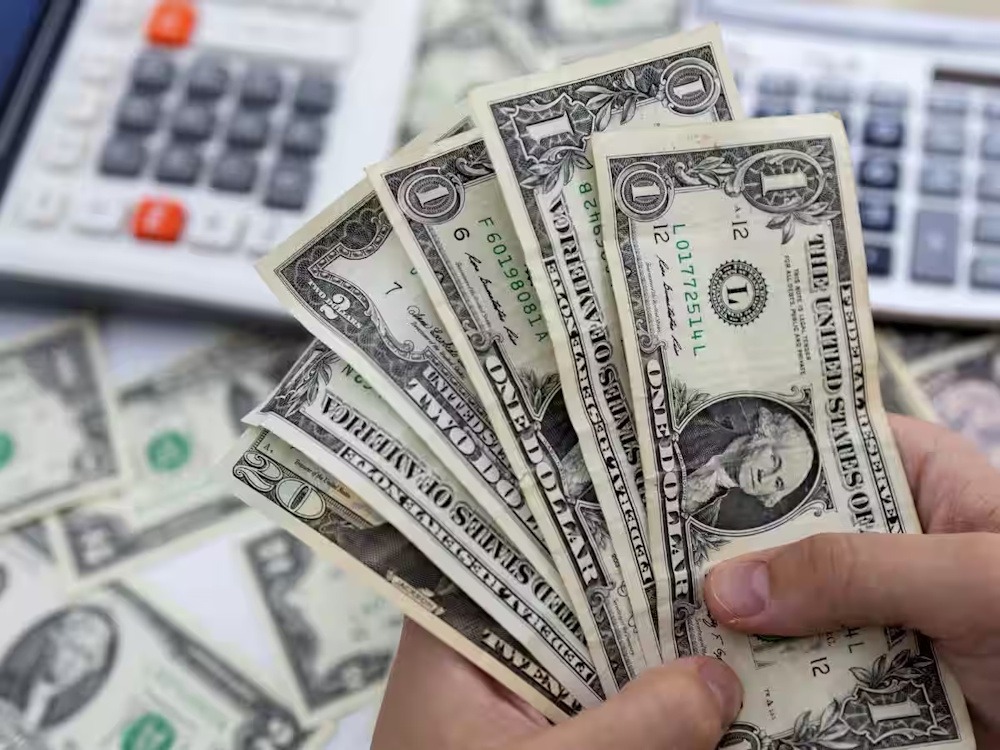
The dollar experienced losses on Tuesday as investor optimism grew regarding a potential agreement to reopen the vital Strait of Hormuz and conclude the three-month-long conflict in Iran. However, recent U.S. strikes on Iranian targets dampened overall sentiment. Despite the low likelihood of a deal materialising in the near term, optimism surrounding peace negotiations has driven oil prices below $100 a barrel, alleviated strain on emerging-market currencies, and enhanced overall risk sentiment. Iran’s leading negotiator and foreign minister engaged in discussions in Doha with the prime minister of Qatar regarding a possible agreement. U.S. President Donald Trump indicated that discussions with Iran were progressing positively, yet cautioned that new attacks could occur if these talks did not succeed.
The U.S. Central Command announced in a statement that it has conducted additional strikes aimed at safeguarding our troops from the threats presented by Iranian forces. The euro maintained its strength, trading at $1.16365 on Tuesday, while the Japanese yen was valued at 158.95 per U.S. dollar. U.S. markets experienced a closure on Monday due to a holiday observance. Against a basket of currencies, the dollar stood at 99.031.Markets are justified in pricing in a degree of optimism, as even a potential pathway to reopening Hormuz mitigates the extreme tail risk associated with oil, inflation, and global growth,” stated Charu Chanana. I would not conflate positive negotiation noise with a lasting de-escalation; however, the true measure lies not in the headline agreement, but in the ability of tankers to operate without hindrance, the reduction of insurance premiums, and the normalisation of energy flows,” Chanana stated. Until then, this is expected to continue as a fluctuating risk-on strategy.
The Australian dollar, frequently regarded as a gauge for risk, remained stable at $0.71665, lingering close to a one-week peak following a 0.65% increase on Monday. The New Zealand dollar stood at $0.58575, reflecting a decline of 0.25% in anticipation of a policy decision from the central bank on Wednesday. A poll indicates that 28 out of 29 economists foresee no alterations. “With much of the positive news regarding a peace deal now likely reflected in risk markets, there is certainly potential for a ‘buy the rumour, sell the fact’ type of reaction,” stated Tony Sycamore. Oil prices recovered some of their losses at the beginning of trading on Tuesday following reports of new U.S. strikes on Iranian targets. Brent crude futures experienced an increase of 1.5%, reaching $97.76 per barrel, following a decline of 7% on Monday.
Experts do not anticipate energy prices reverting to pre-war levels in the near future, even with a potential resolution on the horizon, as the normalisation of supply chains will require time, thereby maintaining inflation and interest rate concerns firmly in focus. We continue to anticipate a gradual easing in the oil market, even if prices remain consistently below $100 per barrel in the latter half of 2026. This indicates that the support for the USD’s terms of trade is unlikely to diminish rapidly,” stated strategists in a note. There is no compelling argument to adopt a bearish stance on the USD, as resilient U.S. growth and AI-driven inflation pressures have influenced Federal Reserve rhetoric towards a more hawkish tone.