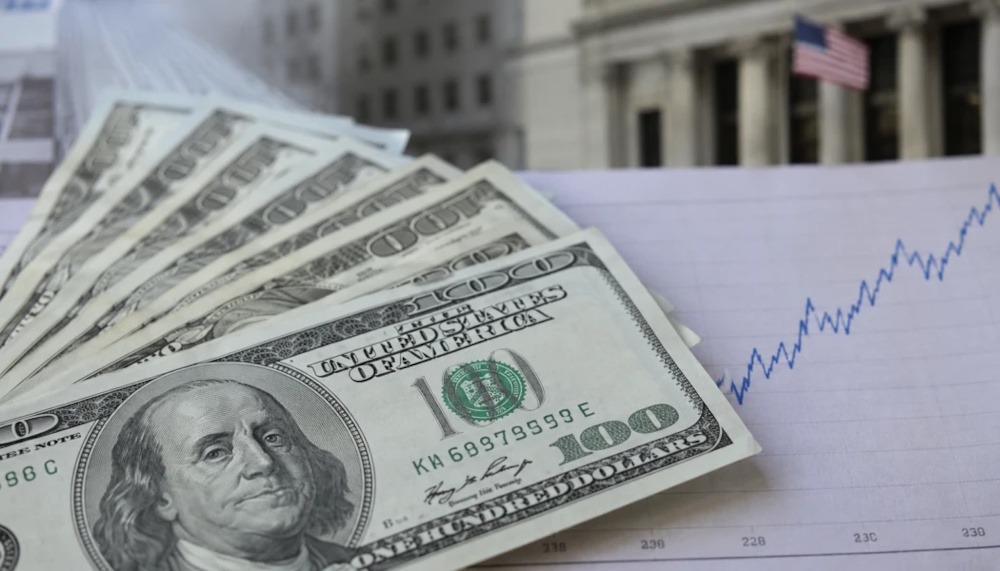
The dollar strengthened to a one-week peak on Thursday as tensions in the Middle East escalated following new U.S. strikes on Iran, while the yen weakened towards a threshold that prompted central bank intervention last month. Iran’s Revolutionary Guards announced that they aimed at a U.S. airbase following what they characterised as a pre-dawn U.S. strike near Bandar Abbas airport, according to the source. Meanwhile, Kuwait’s military reported that its air defences were actively intercepting hostile missile and drone threats. That followed news that the U.S. military executed new strikes aimed at an Iranian drone operation, which it claimed posed a threat to U.S. forces and commercial shipping in the Strait of Hormuz.
Oil prices experienced a rebound while the safe-haven dollar stabilised, as optimism for a quick resolution to the conflict diminished. Investors are now increasingly anticipating that the greenback will strengthen further, particularly as the Federal Reserve redirects its attention towards combating inflation in the context of high energy prices. Geopolitics and the subsequent inflation risks remain a key concern,” stated Alex Saunders. We continue to observe a reduction in the USD underweight. The euro decreased by 0.2%, settling at $1.1600, whereas the pound experienced a decline of nearly 0.3%, now at $1.3392.
The Australian dollar, sensitive to risk factors, declined by 0.4% to $0.7111, reaching a one-week low, while the New Zealand dollar fell by 0.3% to $0.58831. The dollar index, which gauges the greenback’s strength against a basket of six major peers, saw an increase of 0.17% to 99.464, approaching its highest level since May 21. Markets are set to focus on the upcoming release of the Fed’s favoured inflation measure, the core PCE deflator, which will influence the overall interest rate perspective. The yen depreciated to a low of 159.610 per dollar on Thursday, marking its weakest point since April 30 and approaching the 160 threshold that prompted intervention by Japanese authorities last month.
That intervention provided policymakers with some necessary breathing space, yet uncertainties remain regarding its long-term effects, stated Tony Sycamore. “The broader question is whether it was worth it for what essentially amounts to just a single month’s relief. And furthermore, will authorities have the stomach to write a similar-sized cheque if the 160 level is breached again in the coming sessions?” he stated. Markets are estimating approximately a 70% likelihood of a quarter-point interest rate increase at the BOJ’s policy meeting on June 15–16, according to LSEG data.