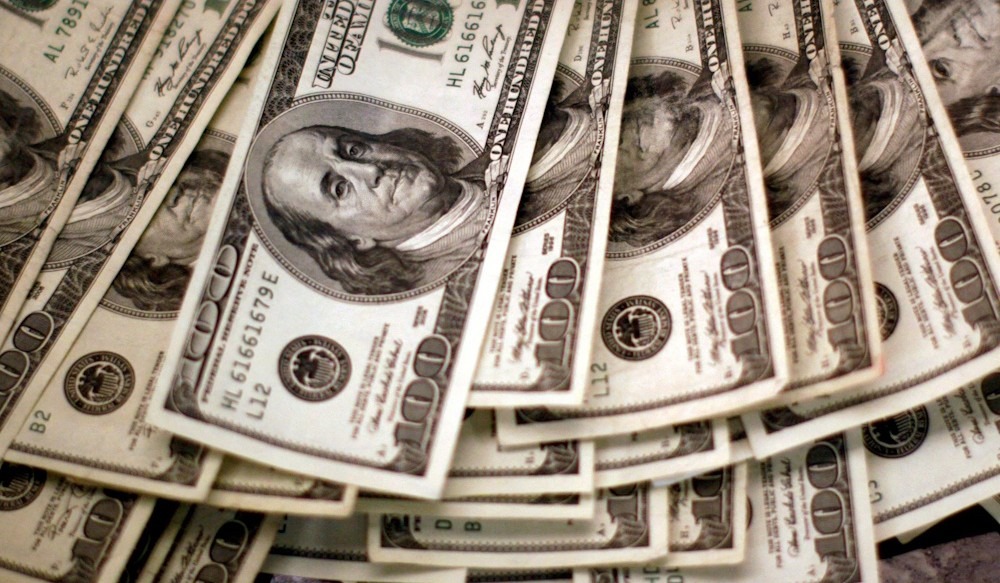
The dollar remained close to its peak in over two weeks on Thursday, following a shift towards a more hawkish stance from certain Federal Reserve policymakers, which propelled yields to a one-month high. Meanwhile, the Japanese yen’s rise above 160 heightened concerns regarding potential intervention risks. Fed Chair Jerome Powell concluded his eight-year tenure with interest rates unchanged, as inflation concerns continue to escalate. The Federal Reserve’s decision, which resulted in an 8–4 vote to maintain the current interest rate, marks the most divided stance since 1992. This outcome included three dissenting opinions from officials who believe the bank should refrain from signaling a preference for easing monetary policy. The recent hawkish shift resulted in a significant increase in yields. The yield on the 2-year note, which generally aligns with rate expectations, increased to 3.928%, while the 10-year rose to 4.421% — marking both as their highest levels since March 27.
Market participants are currently eliminating the possibility of any Federal Reserve cuts this year, with expectations shifting to a 55% likelihood of a rate increase by April 2027, a significant rise from approximately 20% prior to the announcement. The shift in tone… the divisions within the Federal Reserve present an intriguing dynamic. Concerns are emerging regarding the inflationary effects of the Iran conflict on the economy, which could influence the Federal Reserve’s current easing bias, according to Rodrigo Catril, a currency strategist at National Australia Bank in Sydney. The recent surge in oil prices has heightened market anxiety, with the dollar gaining support from both risk aversion and elevated U.S. Treasury yields, he noted. The dollar index remained stable at 98.852 after a 0.3% increase on Wednesday, staying close to its highest level since April 13. The euro was positioned at $1.1689, while sterling was trading at $1.34877, with both currencies experiencing an increase of approximately 0.1% in the Asian market.
The Bank of England and European Central Bank are set to convene later today, with market participants keenly observing their insights amid rising expectations that both institutions might need to increase interest rates in the near future. In the midst of ongoing diplomatic stalemate regarding the Iran situation, market sentiments remain tense. President Donald Trump is engaged in discussions with oil companies to explore strategies for alleviating the potential repercussions of a prolonged U.S. blockade on Iran’s ports. Oil prices have surged amid concerns of extended supply disruptions stemming from the conflict in the Middle East, with Brent crude futures approaching their peak since June 2022. The Australian dollar was valued at $0.71285, while the New Zealand dollar stood at $0.58394, with both currencies experiencing an increase of approximately 0.2%.
The yen declined by 0.1% to 160.16 per dollar, approaching thresholds that have historically prompted intervention, even as the Bank of Japan indicated after its policy meeting on Tuesday that it may increase rates in the upcoming months. The Japanese currency has declined over 2% since the onset of the conflict on February 28, with investors establishing the largest short position on the yen in almost two years, anticipating that neither interest rate increases nor the threat of intervention will provide support. While this brings the pair closer to intervention territory, the Ministry of Finance will be cautious about deploying its intervention measures prematurely, considering Japan’s position as a significant energy importer and the ongoing stalemate in the Middle East,” a note indicated.