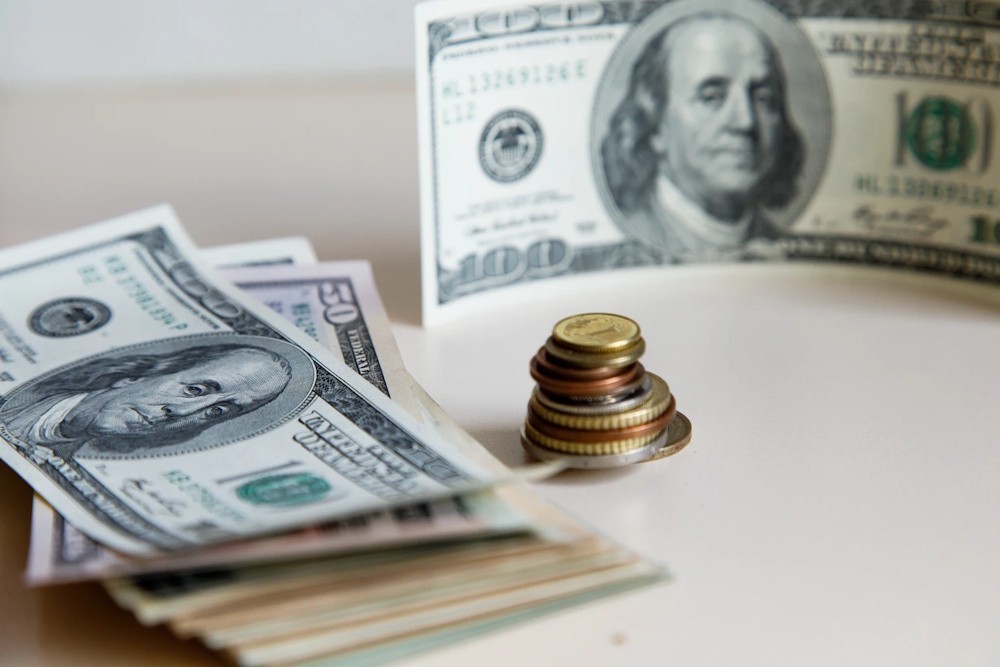
The U.S. currency’s appeal as a shelter was bolstered by uncertainties about an Iran peace deal, which caused the dollar to move higher against the yen and euro on Friday, building on gains from the previous day. The greenback also received support from elevated Treasury yields following a report that referenced sources close to Federal Reserve Chair Kevin Warsh, indicating the possibility of a September interest rate hike contingent on forthcoming data. The monthly U.S. payrolls report, due later on Friday, could provide more clues on the Fed’s rate path. The dollar experienced a modest increase, reaching 158.505 yen during the Asian morning session, following a 0.4% gain on Thursday.
This positions the currency for an approximate 0.7% rise this week, as it rebounds from a period of coordinated intervention by Japan and the U.S. that caused the dollar to drop from a nearly four-decade high exceeding 163 yen on Thursday to a 13-week low of 155.20 on Monday. Against the euro, the greenback edged up to $1.1521 after strengthening approximately 0.3% in the previous session. Tensions persisted in the Gulf following a report on a proposed agreement between Iran and Oman aimed at mitigating the U.S.-Iran conflict, which could potentially grant Tehran authority over incoming traffic via the Strait of Hormuz. The U.S. refrained from providing an immediate response to the proposal.
President Donald Trump has asserted that an agreement to reopen the strait is imminent; however, U.S. officials have consistently maintained that they would never acquiesce to Iranian control over access to the world’s most critical trade route for energy supplies. Brent crude experienced a modest increase of just over a dollar on Friday, reaching a trading price of $83.55 per barrel, following a rise of more than $3 in the prior session. The increasing inflation risks exerted pressure on Treasuries, resulting in a rise in yields. “USD was supported by higher oil prices (following) news that a deal between the U.S. and Iran to reopen the strait is further away than hoped,” said Kristina Clifton. She and other analysts also pointed to the report indicating that Warsh was receptive to a September hike should inflation data prove robust.
However, Clifton remarked, “We expect the Fed to wait until December before starting a modest tightening cycle.” A divided U.S. central bank left rates unchanged last month; however, Warsh expressed his commitment to reducing inflation. U.S. nonfarm payrolls are anticipated to have increased by 80,000 last month, following a rise of 57,000 in June, as per a survey of economists. The unemployment rate is expected to hold steady at 4.2%. Against sterling, the dollar exhibited a modest appreciation, reaching $1.3449. The Australian dollar experienced a slight depreciation, settling at $0.7029, while the New Zealand dollar also saw a minor decline, reaching $0.5866.