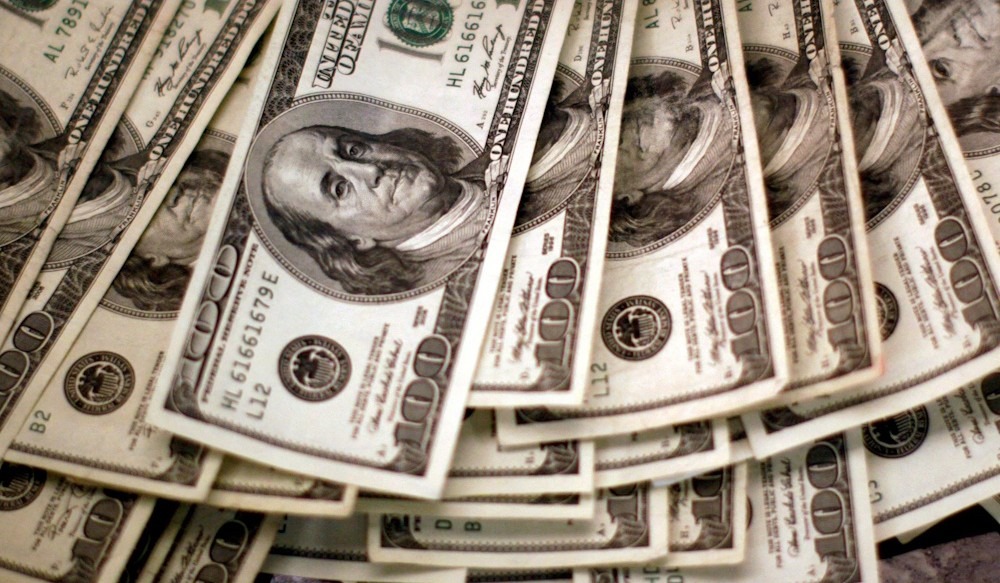
The U.S. dollar experienced fluctuations on Thursday due to new U.S. strikes in the Middle East, which negatively impacted market sentiment. Additionally, a spike in May U.S. consumer inflation reaching a three-year high contributed to investor apprehension regarding the Federal Reserve’s monetary policy outlook. The currency markets have exhibited a subdued performance this week, as investors assessed the delicate ceasefire in the Middle East in light of a renewed cycle of retaliatory strikes between the U.S. and Iran, which has diminished expectations for a near-term peace agreement. The euro bought $1.1553, inching away from the 10-week low it hit last week, but has given up most of its gains since a ceasefire was struck in early April. The focus will be on the European Central Bank policy meeting later in the day as it appears ready to increase rates to address inflation. Sterling was at $1.33905. The dollar index, which measures the U.S. currency against six major peers, eased to 99.903 after the U.S. military announced it has completed strikes against multiple targets in Iran.
The United States initiated a new series of strikes overnight in Iran, according to the U.S. military, as President Donald Trump pledged further attacks should a peace agreement not be reached. The latest escalation has left markets on edge, resulting in an increase in oil prices. Brent futures increased by more than 2%, reaching $95.40 per barrel. Still, the market reaction exhibited a lower level of volatility compared to previous instances, with the dollar maintaining a relatively subdued position during early Asian trading. “We still have a bit of news fatigue in the market, this kind of escalation a few weeks ago would probably have had Brent back up through $100 a barrel and the dollar surging,” stated Nick Twidale. “It comes down to the markets craving a bit of certainty again,” said Twidale. “Is this conflict and closure of the Strait going to be the new status quo … or another ‘negotiating tactic’ that brings peace hopes back to the table?”
While the U.S. Consumer Price Index increased 4.2% in the 12 months through May, marking the largest gain since April 2023, economists maintain that the threshold for monetary policy tightening remains elevated. The core CPI increased by 0.2% for the month, following a 0.4% rise in April, reinforcing optimism that the inflationary pressures stemming from the energy shock could be managed. James Knightley noted that labour continues to be the most significant expense for corporate America, and as wage growth continues to decelerate, this should alleviate some of the strain on core inflation. “This should all help to maintain inflation expectations, so while we no longer anticipate the Fed to lower interest rates this year due to enhanced economic momentum, we also do not foresee a rate increase,” Knightley stated.
Traders have completely accounted for a 25-basis-point increase in December, marking a significant shift from prior expectations of two rate reductions this year prior to the onset of the Iran conflict at the end of February. The Japanese yen was at 160.52 per dollar, leaving traders anxious about the potential for official intervention from Tokyo. Bank of Japan Governor Kazuo Ueda has been hospitalised for medical treatment and will miss the June 15 to 16 policy meeting, where the central bank is widely expected to raise interest rates. “We do not expect Ueda’s absence to impact on the BOJ’s policy decision,” said Carol Kong. We and the market continue to anticipate a 25bp rate hike next week. In other currencies, the Australian dollar was at $0.7006 after reaching a nine-week low earlier in the session. The New Zealand dollar remained stable at $0.5797.