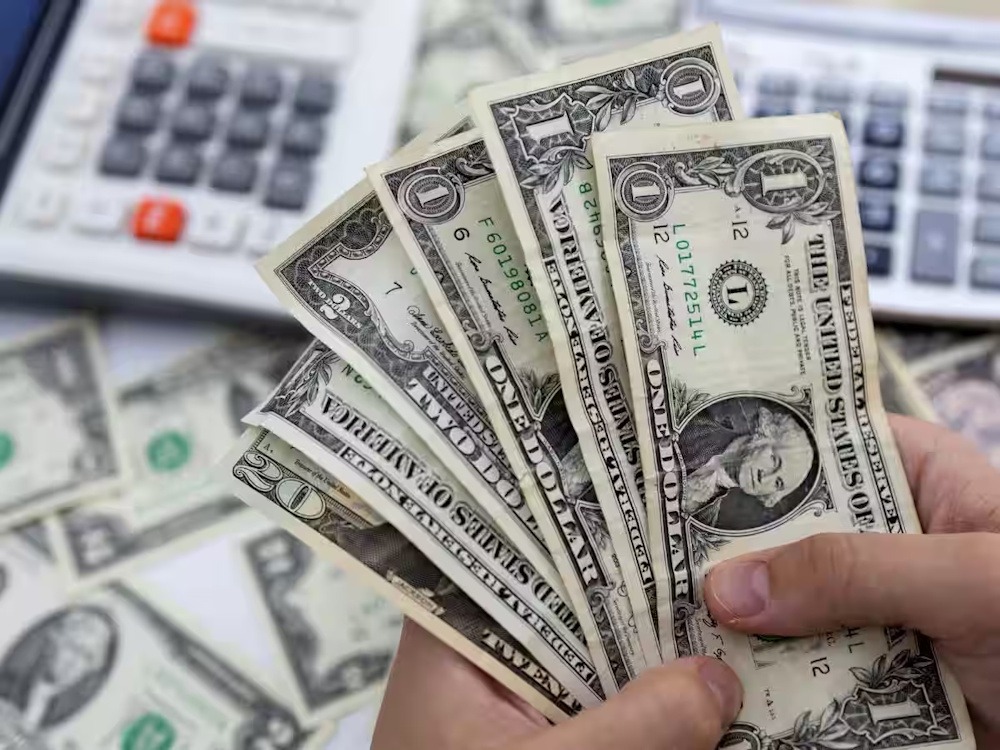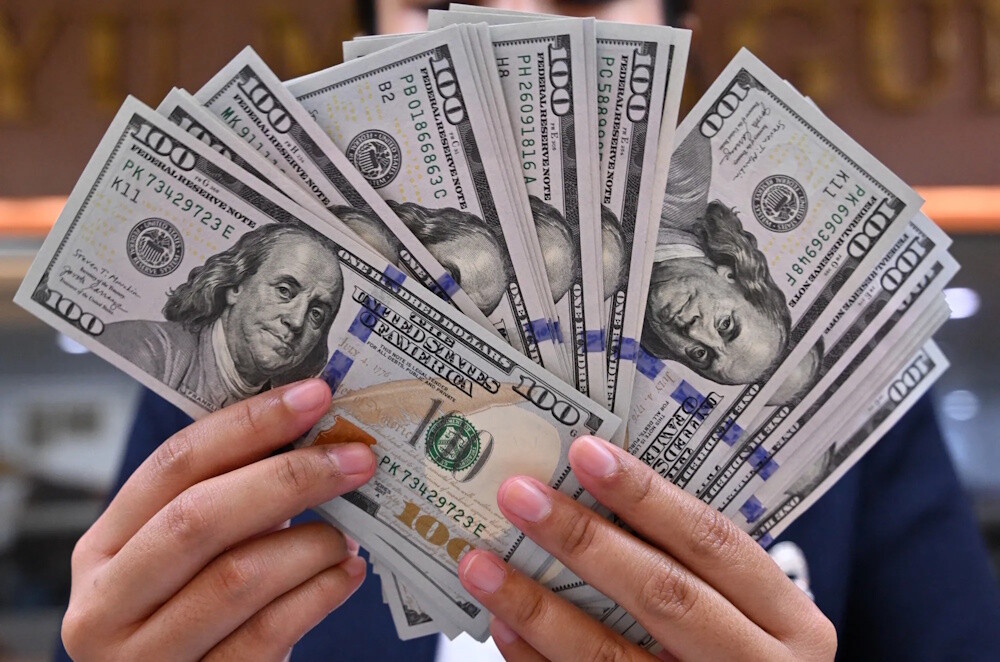
As uncertainty around the AI trade causes increased volatility, traders are seeking direction from the stock markets, and the US dollar was trading below a 22-month high in holiday-thinned trading on Friday. At the end of a week that saw the dollar index rise to its highest level since March of last year at 104.53 on Monday before retracing those gains the following day, the index, which measures the currency against a basket of six peers, remained stable at 103.81. The index is currently unchanged for the week.
At the start of Friday’s Asian session, the US dollar rose 0.1% against the yen, reaching 159.355, while it also gained ground against the Swiss franc, reaching 0.83455. The value of the euro was flat at $1.0964, while the pound fell to $1.3099. The risk-averse Australian dollar fell slightly to $0.6631 from Wednesday’s one-year low of $0.6559. “All eyes are on whether the downtrend in AI-related stocks will turn around,” Mizuho analysts wrote in a client note. A recovery could see currencies such as the Aussie and high-yielding Mexican peso bounce back, while renewed selling would likely see those currencies under additional pressure, they said.
The US currency has been bolstered by anticipations surrounding Federal Reserve policy tightening, with traders perceiving a quarter-point interest rate increase on December 9 as virtually assured, as indicated by CME Group’s FedWatch tool. October’s core personal consumption expenditures inflation in the US exceeded expectations, accompanied by a significant upward revision to third-quarter gross domestic product. Additionally, a Federal Reserve survey indicates ongoing economic growth and persistent inflation, leading traders to anticipate another interest rate hike around April.
The dollar index has experienced an increase of approximately 5.7% thus far in 2026, with just one month remaining in the year. “The USD looks to be on a stronger-for-longer path than previously expected,” strategists wrote in a research report. However, “given its rapid rise, we see limited scope for further gains,” they added.