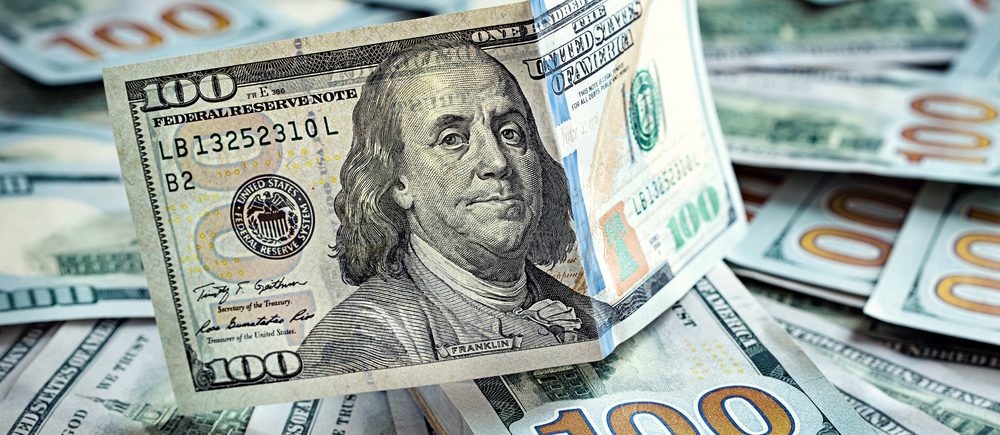
The dollar experienced a significant decline against major currencies on Wednesday, following early results from the US midterm elections that indicated substantial gains for Democrats in their efforts to reclaim control of Congress from President Donald Trump’s Republicans. The immediate market reaction from investors was to divest from equities, exit the US dollar, and seek refuge in Treasuries. The euro appreciated by 0.5% to $1.1249, while the yen gained 0.7% to 157.63 per US dollar. The dollar index, which measures the greenback against a basket of six currencies, fell 0.3% to 101.4. In a clear demonstration of the shifting political landscape, Democrat Annie Andrews secured South Carolina’s US Senate seat on Tuesday, achieving a remarkable victory over Darline Graham in a state that Trump had won by nearly 18 percentage points merely two years prior.
Andrews’ victory, in conjunction with Democrat Roy Cooper’s success in North Carolina’s Senate race, provided the party with two of the four seats required to achieve a net gain for control of the chamber. Prediction markets indicated an increasing anticipation of a Democratic sweep in the US Congress. “The US dollar could sell off further from here, because a Democratic sweep would limit government spending over Trump’s term,” said Carol Kong. Kong indicated that investors are closely monitoring the potential for heightened tensions in the Middle East, contingent upon the results of the election. “If the Republicans do lose control of the House and the Senate, what will the President do? He previously flagged that he will restart a bombing campaign in Iran after the election, so we are watching that very closely,” she said. “If he does ramp up the aggression in the conflict, then we could see oil prices jump sharply higher, and that will support the US dollar.”
Oil prices declined to $103.34 a barrel, reflecting a decrease of approximately 1% on Tuesday, marking their lowest point in nearly four weeks. For some, the more significant narrative surrounding the dollar pertains to the implications of a Democratic victory for the AI sector. “The price action is consistent with concerns about greater scrutiny on AI in the event of a Democratic sweep, and that is reflected in the underperformance of the Nasdaq and worries about US growth should AI face greater regulation, ” said Moh Siong Sim. But Sim also noted: “Even in the event of a Democratic sweep, it is still difficult to pass legislation at the federal level, given the high hurdle under President Trump,” who holds veto power.
Sterling appreciated by 0.4% to $1.3460, as market participants anticipate the Bank of England’s policy announcement scheduled for Thursday. The central bank’s Monetary Policy Committee is anticipated to increase interest rates for the first time since August 2023. Against the Swiss franc, the dollar experienced a decline of 0.9%, settling at 0.8133. China’s offshore yuan declined by 0.1%, with the most recent exchange rate at 6.6782 per dollar. It continued to experience declines following its most significant one-day drop since May 15 on Tuesday, when the People’s Bank of China increased the reserve requirements for foreign currency that financial institutions must maintain in order to curb the yuan’s appreciation.