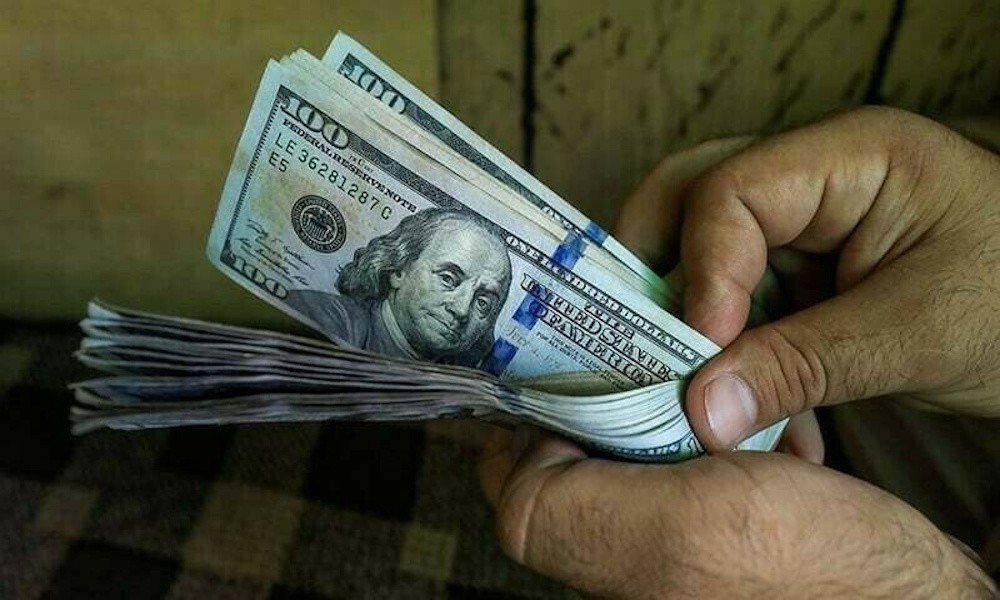
On Wednesday, the dollar continued its decline from its two-week high as inflation data came in lower than expected, dampening expectations of a rate hike from the Federal Reserve soon. This was amid worries that rising oil costs could lead to inflation. Against the yen, the dollar fetched 162.08, reflecting a decline of 0.1%. The euro and the British pound experienced a modest increase of 0.1%, with the euro trading at $1.1433 and the pound at $1.3401. The New Zealand dollar was well bid at $0.5819, maintaining its position near the strongest level in a month, while the Australian dollar remained steady at $0.6983.
The U.S. dollar index, which measures the currency against a basket of six peers, was a shade weaker at 100.81. It experienced a decline of 0.35% in the prior session, marking its most significant pullback in almost two weeks, which caused the index to retreat from its peak level since July 2. U.S. consumer inflation decelerated more than anticipated to 3.5% on a year-over-year basis in June. The headline consumer price index experienced a decline of 0.4% over the month, marking the first decrease since April 2020, attributed to a retreat in energy prices. Bond yields dropped, with yields on two-year U.S. Treasuries down 9 basis points from a 16-month high, as the unexpectedly weak data reduced market expectations for a near-term rate hike from the Federal Reserve.
“The sizeable downside surprise gives the Fed greater scope to remain on hold for longer,” said Sim Moh Siong, noting the central bank officials had signalled its July decision would hinge on the June inflation reading. “While we continue to expect modest USD appreciation by year-end, near-term upside momentum may remain constrained in the absence of fresh catalysts,” he added. Traders currently anticipate that the Federal Reserve will forgo a rate hike in July, given the recent moderation in inflation. After the inflation reports, the likelihood of a July rate hike was reduced to 16%, according to Fed funds futures prices traded at the CME Group. However, the optimism was somewhat overshadowed by Fed Chair Kevin Warsh, who stated during his testimony before the House Financial Services Committee that the central bank has “no tolerance” for persistently elevated inflation and vowed to “do my job” if challenged by U.S. President Donald Trump.
In the Gulf, the recent intensification of hostilities in the Iran conflict has driven oil prices to one-month highs, thereby sustaining inflationary pressures. Trump on Tuesday reimposed a naval blockade of all Iranian ports, while the U.S. military said they have begun a fresh round of strikes “to continue degrading Iranian capabilities used to attack commercial shipping in the Strait of Hormuz.” And “One month of softer-than-expected CPI data will not close the door to interest rate hikes,” economists Samara Hammoud said in a note, adding that the markets are closly watching the producer prices data due later today.