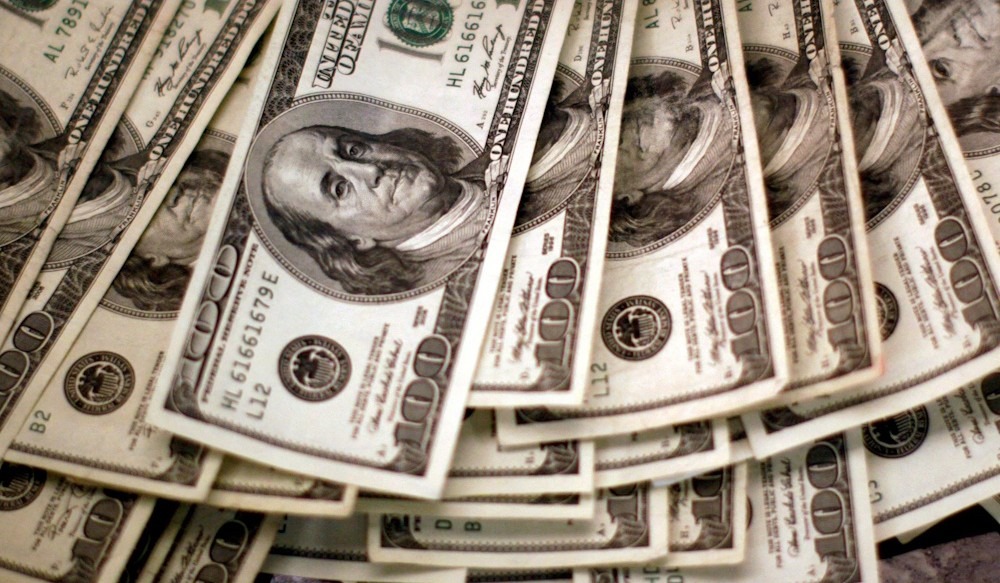
The dollar maintained its position on Tuesday, yet it is poised for a seventh consecutive daily decline, as market participants assessed the supply risks stemming from a U.S. blockade of Iranian shipping in the Strait of Hormuz, juxtaposed with optimism for a diplomatic resolution between Washington and Tehran. The dollar index, which measures the greenback against a basket of currencies including the yen and the euro, rose 0.05% to 98.39, hovering near its lowest since March 2, the first trading day after the U.S.-Israeli war with Iran erupted. The dollar is experiencing a seven-day losing streak, marking its first occurrence since December of the previous year. The euro increased by 0.02% to $1.1759, while sterling gained 0.01% to $1.3505. The yen increased by 0.16%, reaching 159.19 against the dollar.
U.S. President Donald Trump announced that the U.S. military initiated a blockade of vessels departing from Iran’s ports on Monday. He also noted that Iran had reached out and expressed a desire to negotiate with Washington, despite a strained meeting over the weekend in Islamabad. It is indicated that discussions between Washington and Tehran remain ongoing, as U.S. Vice President JD Vance stated in an interview that the U.S. anticipates Iran will advance in facilitating access to the Strait of Hormuz. “The series of comments has brought some relief to the markets, as it has renewed the possibility of a diplomatic resolution,” stated Keiichi Iguchi. The dollar has gained from a safe-haven demand since the onset of the conflict, and the United States, being a net energy exporter, is comparatively more equipped to manage oil disruptions than other countries.
In early Asian trading, U.S. crude futures experienced a decline of over $2, settling at $96.99 per barrel. The Japanese yen, however, continues to face selling pressure due to worries that the country’s trade balance may worsen as the likelihood of sustained high crude oil prices rises, Iguchi stated. Furthermore, the likelihood of an interest rate increase this month by the Bank of Japan, previously regarded as a strong possibility, has diminished as waning expectations for a resolution to the Iran conflict continue to create market volatility and obscure the economic forecast. Interest rate swaps on Monday suggested a 40% probability of a BOJ rate hike this month, a decrease from 57% on Friday. “We’re very much of the view that if the BOJ decides to stand pat at the end of April, then the risks are that the dollar-yen exchange rate is going to punch up through 160 (yen against the dollar),” said Ray Attrill.
Market participants view 160-yen-per-dollar as a critical threshold that increases the likelihood of intervention. On Monday, BOJ Governor Kazuo Ueda highlighted the need for vigilance regarding the repercussions of the Iran war, redirecting attention from the central bank’s typical commitment to gradually increasing interest rates. The Australian dollar declined by 0.23% against the US dollar, settling at $0.7078. New Zealand’s kiwi declined by 0.15% against the greenback, settling at $0.5857.