
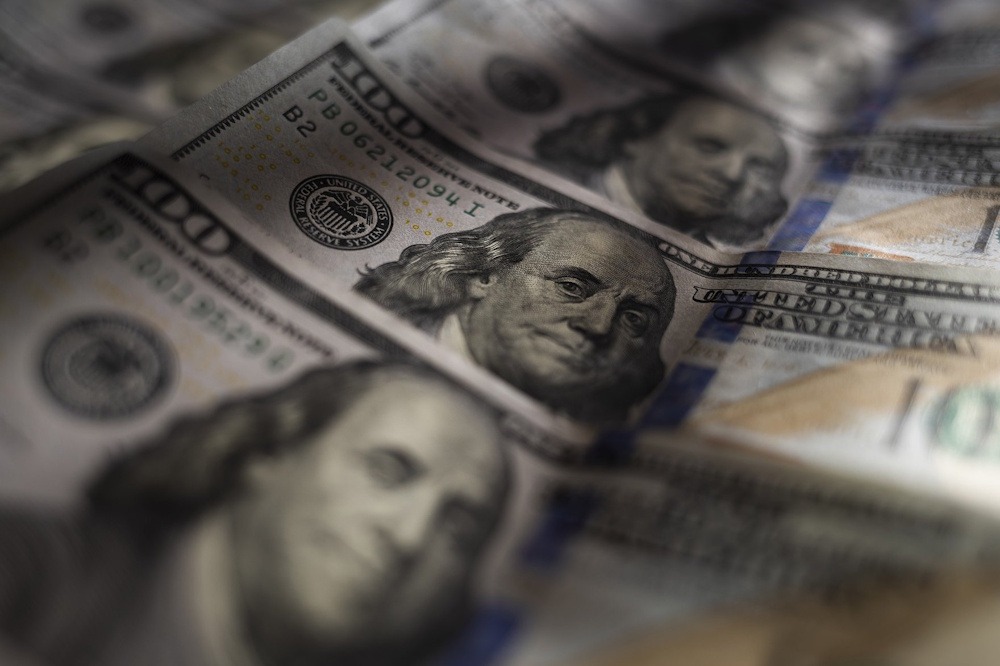
The dollar remained close to three-week lows against the euro and Swiss franc on Wednesday, following White House threats regarding Greenland that prompted a widespread selloff in U.S. assets, impacting everything from the currency to US stocks and Treasury bonds. The yen faced significant pressure as Japanese government bond yields soared to unprecedented levels, raising concerns among investors regarding fiscal spending. This comes as Prime Minister Sanae Takaichi aims to broaden her authority in the upcoming snap elections next month. Overnight, the dollar experienced a notable decline, with the dollar index sliding by 0.53%. This marks its most significant single-day performance drop in six weeks, as it measures the currency against six major peers. On Wednesday, it remained unchanged at 98.541.
The greenback experienced a decline of over 1% against Europe’s shared currency at one point on Tuesday, hitting its lowest level since December 30 at $1.1770 per euro. It was last trading at $1.1720. The dollar experienced a decline of nearly 1.2%, reaching 0.78795 Swiss franc on Tuesday, marking its lowest point since December 30. It then saw a slight recovery, with the last trade recorded at 0.78965 franc. On Monday, U.S. President Donald Trump’s renewed tariff threats against European allies regarding Greenland led to a resurgence of the “Sell America” trade that surfaced after U.S. tariff announcements last April. Investors sold off dollar assets due to “fears of prolonged uncertainty, strained alliances, a loss of confidence in U.S. leadership, potential retaliation and an acceleration of de-dollarisation trends,” stated Tony Sycamore. “While there are hopes the U.S. administration may soon de-escalate these threats, as it has with prior tariff announcements, it is clear that securing Greenland remains a core national security objective for the current administration,” he said.
On Tuesday, the S&P 500 and Nasdaq Composite experienced declines, reaching their lowest levels in a month, coinciding with investors’ return from the U.S. long weekend. Treasury yields, which increase as bond prices decrease, surged to multi-month highs. The dollar remained stable against the yen; however, the Japanese currency experienced its own decline following Takaichi’s announcement on Monday regarding snap elections for February 8 and her commitment to a series of measures aimed at easing fiscal policy. The longest tenors of Japanese government bonds experienced significant pressure, as the 40-year yield surged by 27.5 basis points to reach a record-high of 4.215% on Tuesday; however, it saw a slight easing on Wednesday, settling at 4.145%.
The yen reached a historic low of 200.19 against the Swiss franc on Tuesday, and remained at 185.50 per euro on Wednesday, just shy of the previous record low of 185.575 from a week earlier. The Bank of Japan is set to announce its monetary policy on Friday. Following the interest rate hike at the previous meeting in January, no changes are anticipated this time around. The emphasis will shift towards communication regarding the extent and speed of additional tightening, with a likely hawkish inclination as both the depreciating yen and political instability heighten inflationary concerns.