
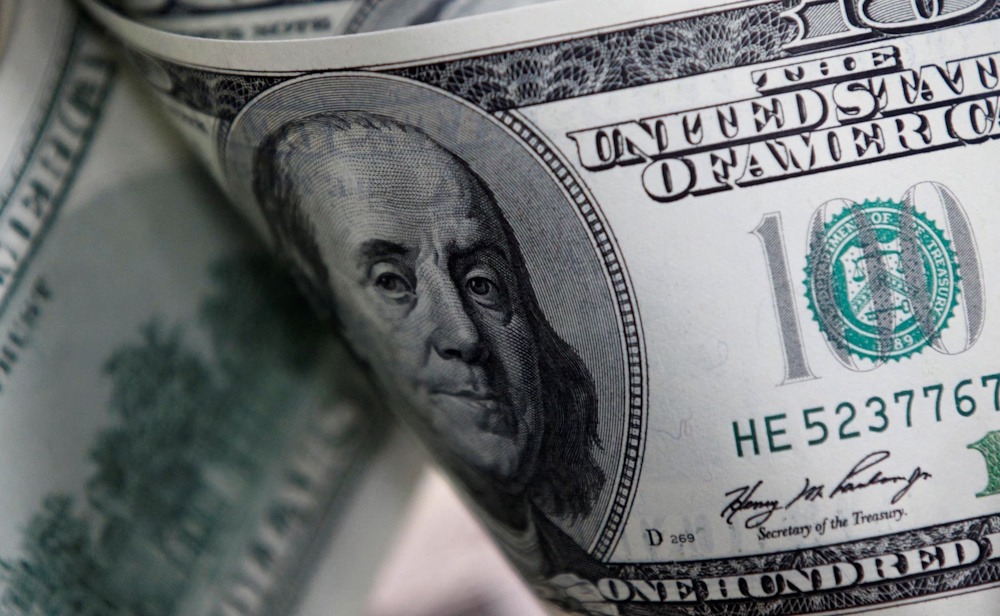
The U.S. dollar began 2026 on a weak note on Friday, continuing its struggles against most currencies from the previous year. Meanwhile, the yen remained stable close to 10-month lows as traders anticipated economic data this month to assess the trajectory of interest rates. A narrowing interest rate gap between the U.S. and other economies has created uncertainty in the currency market, leading to significant appreciation of most currencies against the dollar in 2025, with the yen being a notable exception. The euro held firm at $1.1752 during the early hours in Asia, having experienced a notable surge of 13.5% last year. Meanwhile, sterling was last seen at $1.3474, reflecting a 7.7% rise in 2025. Both currencies recorded their most significant annual increases since 2017.
The yen was last recorded at 156.74 per U.S. dollar, having increased by less than 1% against the greenback in 2025. It remains near the 10-month low of 157.90 reached in November, which raised concerns about potential intervention from Tokyo. Severe verbal warnings from authorities in Tokyo through December succeeded in pushing the yen away from the intervention zone; however, those concerns continue to persist. Given that markets in Japan and China are closed, we can expect trading volumes to be low and price movements to remain subdued during the Asian trading session.
Anthony Doyle indicated that the global economy approaches 2026 with solid momentum, while the likelihood of a recession stays minimal. “Beyond the borders of the United States, the momentum for central bank rate cuts is diminishing, which is a characteristic rather than a flaw: a decrease in rate surprises mitigates unilateral market movements and enhances the significance of selection among regions, factors, and asset classes. The dollar index, which measures the U.S. currency against six other units, stood at 98.243 following a 9.4% decline in 2025, marking its largest drop in eight years. This decline was influenced by interest rate cuts, erratic trade policies, and concerns regarding the Federal Reserve’s independence during the Trump administration.
Next week, economic data such as the U.S. payrolls report and jobless figures are set to be released, offering insights into the labor market’s condition and potential trajectories for U.S. interest rates this year. The early part of the year will see significant attention on U.S. President Donald Trump’s selection for the next Fed Chair, as the term of current head Jerome Powell concludes in May. Investors are preparing for Trump’s selection to adopt a more dovish stance and implement rate cuts, following Trump’s consistent criticism of the Fed and Powell last year for their lack of prompt and substantial rate reductions. Market participants are anticipating two rate reductions this year, in contrast to the single cut forecasted by a split Federal Reserve.”We anticipate that apprehensions regarding central bank autonomy will persist through 2026, and view the impending transition in Fed leadership as one of multiple factors contributing to a dovish bias in our Fed funds rate outlook,” stated Goldman strategists. The Australian and New Zealand dollars both commenced the new year with a strong performance. The Australian dollar was 0.1% higher at $0.66805 following a nearly 8% increase in 2025, marking its strongest annual performance since 2020.