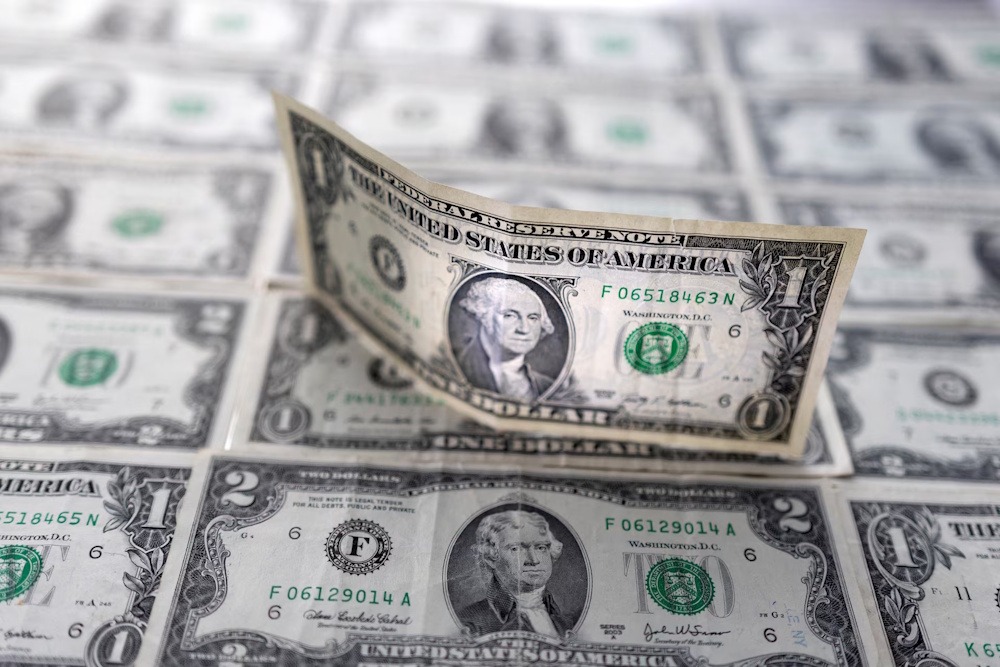
The U.S. dollar maintained its position at a more than two-month high on Thursday following a hawkish hold that spurred expectations for rate hikes, even in the context of a U.S.-Iran deal. Meanwhile, the weakness of the yen prompted new verbal warnings from Japanese officials. The U.S. central bank maintained its interest rates within the 3.50%-3.75% range as new chair Kevin Warsh initiated a comprehensive policy review, marking the beginning of a new era. Nearly half of policymakers, however, now anticipate an increase this year due to escalating inflation concerns. The Fed funds futures market has now priced in an 85% chance of Fed tightening in December, according to CME FedWatch, with a strong retail sales reading further adding to hawkish bets.
The euro last traded a shade stronger at $1.1518, while sterling strengthened to $1.3313, following a dip to their two-month lows earlier. The dollar index, which measures the greenback against a basket of currencies including the yen and the euro, was little changed at 100.24. It surged 0.85% to the strongest level since March 31 in the previous session, marking its largest single-day increase in over three months. “The dollar is up making some sizable gains… this is going to take a little while to shrug off,” Gavin Friend said in a podcast. “It looks like we could be pushing into new territory here for the dollar.”
Oil prices experienced a decline on Thursday following the signing of an interim agreement between the U.S. and Iran, which aims to conclude the Iran war, reopen the Strait of Hormuz, and lift U.S. sanctions on Tehran’s oil. This development has contributed to a weakening of the dollar. The risk-sensitive Australian dollar appreciated by 0.3% to $0.70365, while the New Zealand dollar was valued at $0.5794, reflecting an increase of nearly 0.5%. “Markets are examining whether the Strait of Hormuz can be reopened for free passage,” said Kimmy Tong. “Until that is confirmed, sentiment favouring a stronger dollar should continue to dominate” considering the Fed’s tightening bias, she added. The Japanese yen weakened to as much as 160.760 after hitting its weakest since 2024 overnight, wiping out gains made after Tokyo’s intervention on April 30.
The renewed slide prompted a fresh response from the government, with officials reiterating their readiness to support the currency. “We are ready to respond appropriately to currency moves as needed at any time,” Minoru Kihara stated on Thursday, when queried about the yen’s decline. Elsewhere, the Bank of England appears poised to maintain interest rates at 3.75% later on Thursday as it evaluates the implications of a tentative truce in the Iran war for inflation.