
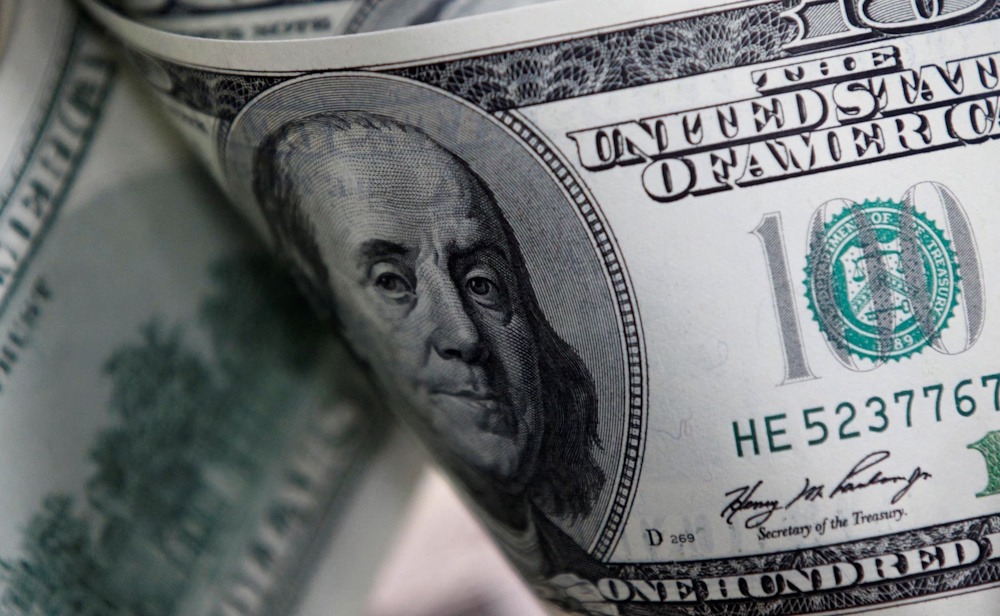
The U.S. dollar experienced a slight increase on Tuesday but faced challenges in building momentum. Traders stayed vigilant for possible coordinated currency intervention by authorities in the United States and Japan, while also anticipating Wednesday’s Federal Reserve interest rate decision. The recent attention in the foreign exchange market has centered on the yen, which has appreciated by as much as 3% over the last two sessions amid discussions of the U.S. and Japan performing rate checks – typically regarded as a signal for potential official intervention. The yen has stabilized in the range of 153 to 154 per dollar, significantly above Friday’s low of 159.23. It was last trading at 154.75, with the dollar appreciating approximately 0.4% against the yen.
“The fact that it’s coming from the U.S. suggests, or is giving risks to the market, that there may be multiple parties perhaps prepared to intervene, which is different compared to what we’ve seen in the past,” said Parisha Saimbi. That, in my assessment, contributes to understanding why we observed not only the shift in dollar/yen but also a comprehensive movement of the dollar across the board. Although officials in Japan or the U.S. have not confirmed any rate checks, a source informed that the New York Federal Reserve had inquired about dollar/yen rates with dealers on Friday. On Monday, leading Japanese officials indicated that they have been closely collaborating with the U.S. regarding foreign exchange matters. Investor hesitation to drive the yen lower is evident, particularly in light of concerns surrounding Japan’s fiscal health and the potential for intervention. Experts have indicated that achieving coordinated intervention presents a significant challenge.
Bank of Japan money market data suggested that the recent increase in the yen against the dollar on Friday was unlikely to be a result of Japanese intervention. The dollar faces significant pressure due to various factors, including the administration’s inclination towards a weaker currency and the unpredictability surrounding U.S. President Donald Trump’s policy decisions. This may become relevant once more on Wednesday following the Fed’s interest rate decision, stated Nick Rees. With the Fed meeting scheduled for tomorrow, it appears the market will likely maintain a cautious stance in anticipation of that event. The primary concern, in our view, lies not within the rate decision itself. We have a strong belief that the Fed will maintain rates at their current levels. However, it is unlikely that Trump will appreciate that. According to Rees, Trump may reveal his choice for Chair Jerome Powell’s successor shortly after the rate decision, particularly if the president disagrees with the central bank’s action. “We believe that will introduce considerable dollar volatility,” he stated. The criminal investigation of Powell by the Trump administration, along with the ongoing efforts to dismiss Fed Governor Lisa Cook, will be key points of interest during the Fed’s upcoming two-day policy meeting beginning Tuesday.
The dollar experienced an increase for the first time in four days against a basket of currencies, rising 0.2% to 97.27. The asset has declined approximately 1% since the beginning of the year, reaching a four-month low of 96.808 on Monday. The euro declined by 0.2% to $1.1855, remaining close to its four-month high of $1.19075 reached on Monday. Sterling declined by 0.07% to $1.3668, staying close to the prior session’s four-month peak of $1.37125.
The Australian dollar experienced a slight decline, yet remained close to Monday’s 16-month peak of $0.6941.