
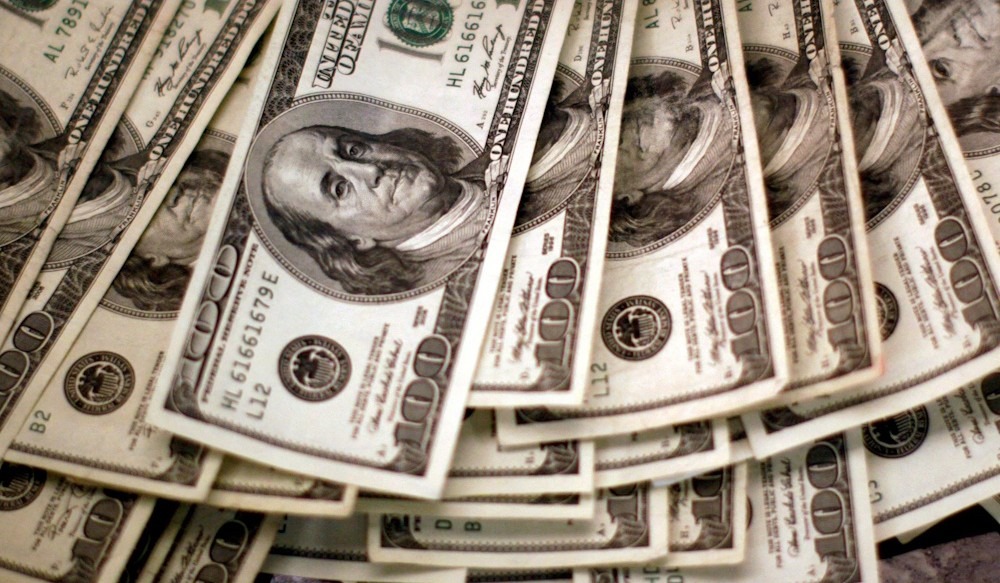
The U.S. dollar remained stable on Wednesday, yet it was on track for its largest annual decline since 2017, influenced by interest rate reductions, fiscal concerns, and unpredictable trade policies under U.S. President Donald Trump, which have created uncertainty in currency markets in 2025. Concerns are expected to persist into 2026, indicating that the dollar’s poor performance may continue to influence the dynamics of several competitors, such as the euro and sterling, which have experienced notable increases this year. Compounding the challenges facing the dollar, apprehensions regarding the Federal Reserve’s autonomy during the Trump administration continue to be a focal point. Trump indicated that he intends to reveal his selection for the upcoming Fed chair in January, succeeding Jerome Powell, whose term concludes in May and who has been subject to ongoing criticism from the president.
The prevailing conditions have sustained the “sell-dollar” strategy, with positioning consistently remaining net-short since April, as indicated by data. Japanese markets will remain closed for the remainder of the week, and with the majority of markets also closed on Thursday in observance of the New Year’s Day holiday, trading volumes are expected to be exceptionally low. The euro maintained its position at $1.1747, while the pound was last recorded at $1.3463 on the final trading day of the year. Both are set to achieve their most significant annual increases in eight years.
The dollar index, which gauges the U.S. currency against six other major currencies, stood at 98.228, maintaining its overnight gains. The index has experienced a decline of 9.5% in 2025, whereas the euro has appreciated by 13.5% and the pound has increased by 7.6%. Prashant Newnaha, indicated that the bearish dollar thesis for 2026 continues to gain traction, with “short dollars vs EUR and the AUD expected to perform”. The dollar experienced a slight increase in the last session following the release of minutes from the Fed’s December meeting, which revealed significant disagreements among policymakers regarding the recent rate cuts implemented earlier this month.
Market participants are anticipating two rate cuts for 2026, while the central bank has indicated only one additional cut for the upcoming year. Goldman Sachs strategists indicated that the dollar is likely to weaken next year, influenced by robust global growth and anticipated rate cuts from the Fed, while other central banks maintain their positions. However, it is likely a much shallower shift … heightened worries regarding a labor market recession, more significant reductions, or a pronounced derating in U.S. tech exceptionalism could result in a more substantial decline,” they noted in a report. The dollar’s decline in 2025 has contributed to significant gains for numerous major currencies and emerging markets throughout the year. On Tuesday, China’s yuan surpassed the significant psychological threshold of seven to the dollar for the first time in 2-1/2 years, despite the central bank’s weaker guidance. The currency is projected to achieve a 4% increase for the year, marking its most significant gain since 2020.