
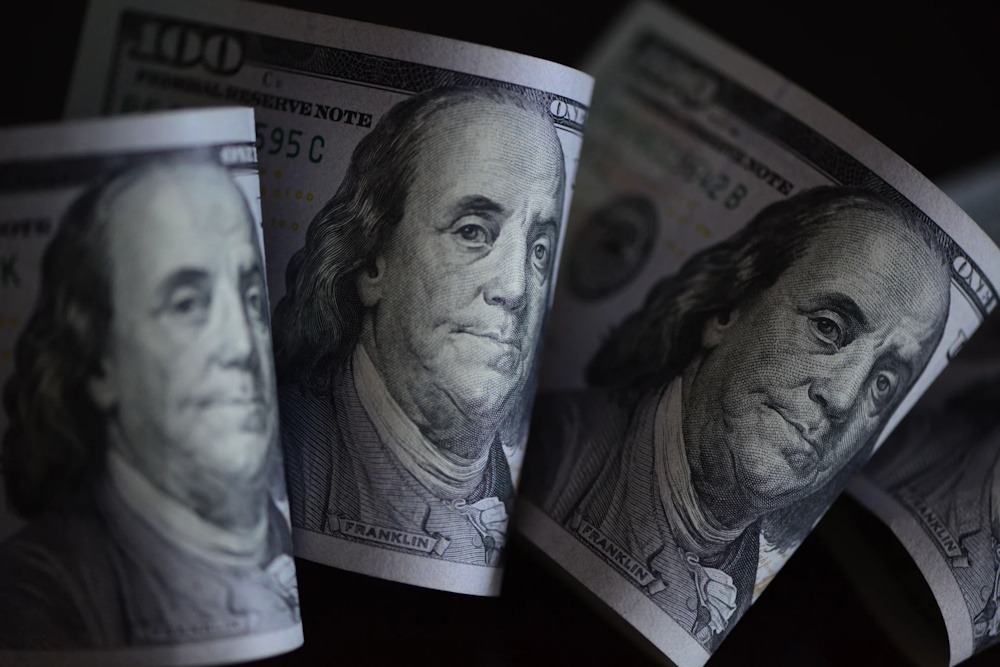
The dollar on Friday was poised for its most significant weekly decline since January, as other currencies appreciated amid optimism that a ceasefire in the Gulf will be sustained and oil shipping will recommence. The future trajectory of the markets is expected to depend on the results of the discussions taking place over the weekend between the U.S. and Iran in Islamabad. The dollar surged in March, standing out as a rare refuge amid the U.S. and Israeli conflict with Iran, which drove oil prices to new heights, negatively impacted stocks and gold, and exacerbated inflation concerns that weighed on bonds. Following the tentative ceasefire agreement reached on Tuesday, those positions are being adjusted, resulting in a 1.3% decline in the U.S. dollar index thus far this week. The euro has surged past its 200-day moving average this week, currently trading at $1.1690, marking a breach of chart resistance that paves the way for additional upward movement.
The Australian and New Zealand dollars, which are sensitive to risk, are poised for weekly increases of nearly 3% against the dollar, with the Aussie trading slightly above 70 cents and the kiwi at $0.5847. Sterling has surged 1.8% this week, surpassing its 200-day moving average to reach $1.3424. The yen, facing significant pressure due to Japan’s low interest rates, government spending initiatives, and reliance on imported oil, remains slightly above recent lows at 159.2 against the dollar. “People were buying the U.S. dollar when the war was at its most intense moment and now they’re selling as the tail risk of a really bad outcome has faded quite a bit,” stated Jason Wong. “Despite the current instability, the ceasefire alleviating that tail risk is significant for sentiment, he remarked, while also pointing out that the situation could change rapidly if the expected weekend peace talks fail to produce results.
During the initial 24 hours of the ceasefire, only one oil products tanker and five dry bulk carriers navigated through the Strait of Hormuz. Prior to the conflict, this vital passage facilitated the transit of approximately 140 vessels daily, accounting for around 20% of global oil and liquefied natural gas shipments. Officials from Iran landed in Islamabad on Thursday, while a U.S. delegation, headed by Vice President JD Vance, is set to arrive on Friday to engage in discussions aimed at fostering what investors anticipate could be a sustainable peace. If there are constructive discussions, that would be unfavorable for the dollar. “And if we get to Monday and talks went badly and there’s still a lack of ships…things could turn around quickly,” said Wong. South Korea’s central bank maintained its policy interest rate on Friday, aligning with expectations, while the won stood at 1,478 to the dollar, having rebounded from levels exceeding 1,500.
The recent weakness of the dollar has propelled China’s yuan to its highest levels since 2023, a notable trend considering it has remained resilient since the onset of conflict in late February. In offshore trade, it was positioned at 6.83 per dollar on Friday. “The CNY has been a surprising winner of the Iran war, despite China’s role as the largest oil importer in the world,” said economist Lynn Song. Several market participants have indicated a need to reassess the ‘China risk premium’ in light of increasing global uncertainty, which has positioned China as the more stable entity in the current landscape.