
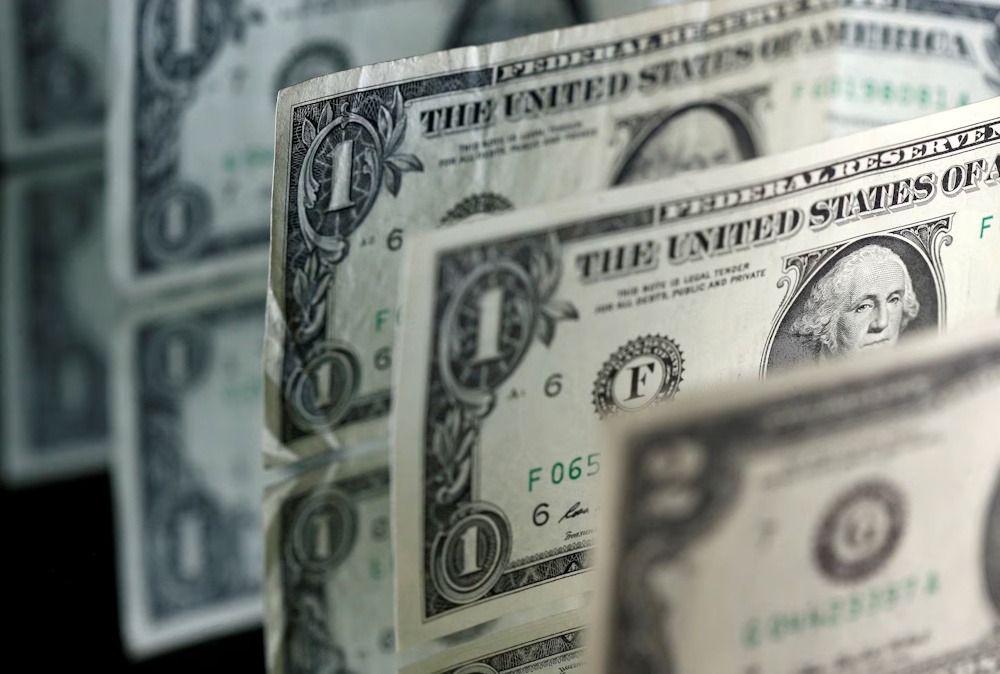
As anxious investors assessed the intensifying Iranian conflict and focused on the most recent deadline set by US President Donald Trump to reopen the Strait of Hormuz, the dollar remained stable on Monday while the yen flirted with the critical 160 per dollar barrier. Trump threatened to target Iran’s power plants and bridges on Tuesday if the crucial canal is not reopened in an expletive-filled Easter Sunday social media rant. The deadline was set for Tuesday at 8 pm. Liquidity is probably going to be low because Monday is a holiday in most of Asia and Europe, even if risk-averse attitude has been prevalent since the beginning of the week. According to Charu Chanana, “Trump’s latest deadline itself is bearish not because investors believe war is guaranteed tomorrow if Iran does not open the Strait, but because every new ultimatum makes the disruption look longer, stickier, and more macro-negative.”
The dollar is still the safest haven for the time being since investors are viewing this as an oil-to-inflation-to-rates issue, whereas gold, bonds, and yen have all seen much less dependable than in a typical geopolitical panic. Sterling recently traded at $1.3187, while the euro fell 0.13% to $1.151 in early trading. The dollar index, which compares the value of the US dollar to six competitors, was at 100.2. At $0.6893, the Australian dollar was up 0.13% from last week’s two-month low. Since the U.S.-Israel battle with Iran began at the end of February, the world’s markets have been shaken by Tehran’s effective closure of the Strait of Hormuz, a vital waterway that transports roughly one-fifth of the world’s oil consumption.
As a result, oil prices have risen well above $100 per barrel, raising concerns about excessive inflation and changing the global outlook for interest rates. Stagflation threats have also raised concerns about the impact on economic growth. Compared to initial estimates of two rate cuts in 2026, traders are no longer pricing a move from the Federal Reserve well into the second half of 2027. Although experts cautioned that a protracted conflict in the Middle East posed a negative risk, data released this week indicated that U.S. labor market conditions were stable in March. Despite the payrolls report’s better-than-expected result, according to economist James Knightley, there are only 260,000 more workers today than there were a year ago.
This suggests that the jobs market has essentially stagnated during a time when the U.S. economic story was robust. Our worry is that an overlay of increased geopolitical, economic, and market anxiety won’t encourage businesses to start hiring right away because the Middle East crisis doesn’t appear to be ending anytime soon,” Knightley stated. The Japanese yen dropped to 159.77 per US dollar, not far from the 21-month low it reached last week, as traders keep an eye out for signs that Tokyo will step in following a slew of severe warnings from officials over the past few days.