
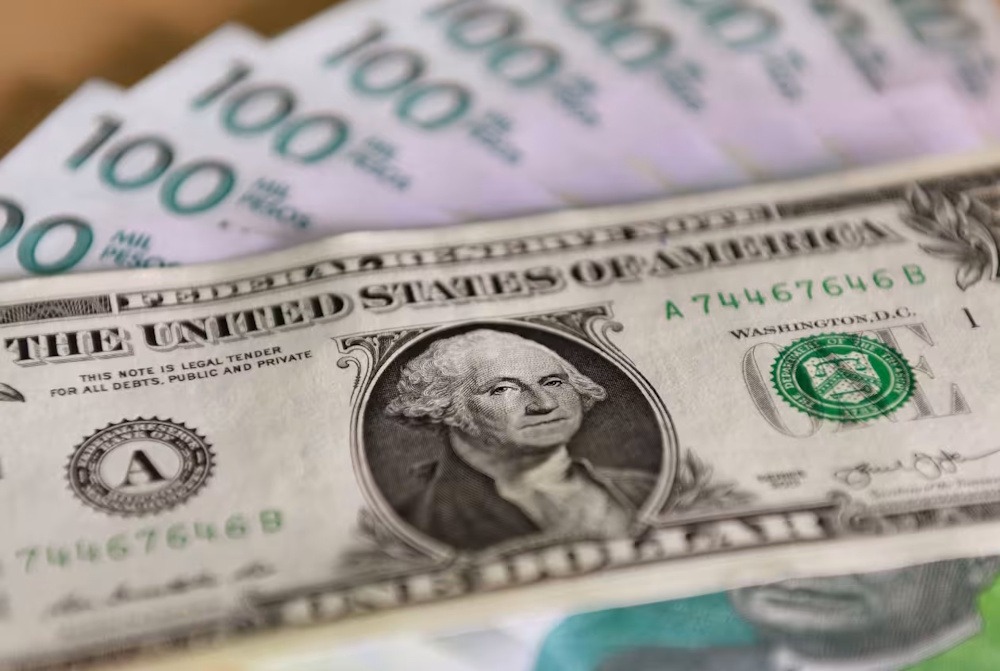
The ongoing conflict in the Middle East suggests that investors might need to consider not only an increase in oil prices but also a more robust dollar than anticipated at the beginning of the year. The greenback has positioned itself as one of the most definitive “safe-haven” beneficiaries following the U.S.-Israeli strike on Iran on February 28, which ignited conflict throughout the region and effectively shut down the Strait of Hormuz, cutting off nearly a fifth of global oil supplies. The dollar has surpassed all other currencies, including the Swiss franc and Japanese yen, and has significantly outperformed other traditional safe havens such as Treasuries and gold. Out of the blue, the bearish consensus for the dollar in 2026 appears quite outdated. Unanticipated strength in the dollar may lead to significant consequences, influencing global trade, economic growth, and financial markets. All else equal, a stronger dollar tightens financial conditions, erodes U.S. corporate earnings, and acts as a drag on global trade. Emerging economies that have exposure to dollar-denominated debt face significant vulnerability. The appeal of the dollar as a safe haven is logically sound. The United States has achieved energy self-sufficiency, reducing its vulnerability to the risk of rising gasoline prices. However, with U.S. crude prices exceeding $90 a barrel, it remains susceptible to fluctuations in the market. Japan finds itself in a significantly more challenging position, as it relies on imports for nearly all of its energy needs. The yen’s appeal has diminished amid this crisis, whereas the Swiss National Bank has cautioned that it will take action to curb any significant appreciation of the Swiss franc.
Meanwhile, U.S. stocks and bonds have shown strong performance since the onset of the conflict. The performance of Wall Street has been notable, and Treasuries are showing strong results compared to other developed bond markets, particularly UK gilts. When considering all factors, the outlook for the dollar appears significantly more optimistic. The dollar index, a broad measure of its value against a basket of major currencies, has already strengthened 2% this month. While that rate of growth is improbable to maintain, additional gains are possible if the conflict or its repercussions extend into the summer or further. HSBC analysts indicate that the dollar is expected to retain its strength if oil prices, risk aversion, and cross-asset volatility remain high. The broader market had a different perspective at the beginning of the year. The prevailing sentiment regarding the dollar was negative, driven by concerns about the independence of the Federal Reserve and anticipated rate reductions. Futures markets indicated a minimum of 50 basis points of Federal Reserve cuts anticipated by December. Currently, only a slight easing of one quarter point is fully accounted for.
The dollar index experienced a decline, reaching a four-year low at the end of January; however, it has since shown a robust recovery of 5%. Additional advancements will necessitate a reevaluation of numerous assumptions for 2026.
One potential area of focus could be global trade. An often overlooked factor contributing to the resilience of global trade amid U.S. President Donald Trump’s tariffs is the dollar’s 10% decline last year, according to Felipe Camargo, lead economist at Oxford Economics. In 2025, global export volumes outside the U.S. experienced a growth of 5.3%, markedly outpacing the 10-year average growth rate of 3%. In a dollar-dominated trade system, a weaker greenback results in lower costs for dollar-invoiced goods, thereby enhancing international trade connections. Camargo projects that a 10% increase in the dollar’s value may lead to a decline in global trade volumes by 6-8% compared to his existing baseline forecasts, effectively negating all gains made last year. In that scenario, trade volumes may decline by as much as 5% compared to his pre-tariff projections made at the start of last year. In a similar vein, the dollar’s decline last year served as a significant boost for U.S. earnings.
A stable dollar this year would eliminate that tailwind, while a rebound would convert it into a headwind. That is due to the fact that approximately 30% to 40% of the revenues for S&P 500 companies are derived from international markets. The percentage exceeds 50% for the technology sector, highlighting its importance in driving overall earnings in the United States. They represent approximately one-third of the market capitalization of the S&P 500 and contribute to about one-fifth of the overall earnings growth. A significant dollar rally this year would represent a highly unconventional shift in expectations. However, it wouldn’t have to be that drastic for investors to reevaluate their projections for 2026.