
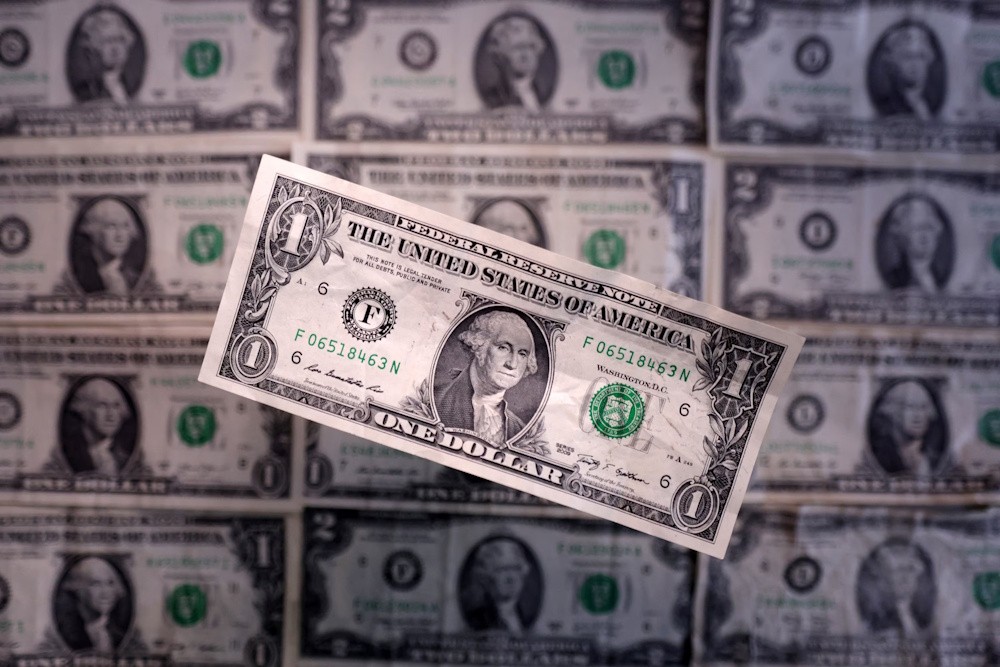
The dollar paused its rapid ascent on Thursday, offering a brief respite to the struggling euro, as investors held onto delicate expectations that the conflict in the Middle East may not endure as long as previously anticipated. Investors reacted swiftly to a report indicating that Iranian intelligence operatives expressed a willingness to engage in discussions with the CIA to resolve the ongoing war, even in light of a later denial from Tehran. This situation highlights the tense atmosphere surrounding a conflict that has impacted global markets significantly. Market participants have shown interest in the potential revival of oil shipments via the Strait of Hormuz, following an announcement from insurance broker Marsh on Wednesday regarding discussions with U.S. officials aimed at reinstating maritime trade.
The dollar continued to decline from a peak reached earlier this week, now positioned at 98.82 against a range of currencies. The euro remained stable at $1.1628, after dropping to a low not seen in over three months on Tuesday, while sterling showed minimal movement at $1.3368. “I wouldn’t characterize it as particularly positive news, as Iran has somewhat dismissed the report, and there remains significant uncertainty regarding the duration of the conflict and its implications. However, markets have adopted a relatively calm perspective,” stated Carol Kong. She noted that sentiment was further supported by positive U.S. economic data released on Wednesday, indicating that services sector activity reached its highest level in over three and a half years in February.
Despite the fluctuations, the dollar maintained its gain of over 1% for the week, standing out as one of the few assets to appreciate amidst a turbulent period that has seen stocks, bonds, and occasionally even safe-haven precious metals decline. The increase in energy prices due to the consequences of the Middle East conflict has heightened concerns about a potential return of inflation that might disrupt the rate projections for leading central banks. “Markets have largely viewed the Middle East war as an inflation risk,” stated Bas van Geffen, senior macro strategist at Rabobank. For the Federal Reserve and Bank of England, this indicates that fewer rate cuts are being anticipated. However, EUR money markets are currently reflecting approximately a 40% probability that the European Central Bank might need to raise rates before the year’s end. The yen also gained some support on Thursday due to a weaker greenback, increasing by 0.2% to 156.79 per dollar.
The Australian dollar maintained its 0.57% increase from the prior session, currently positioned at $0.7068, whereas the New Zealand dollar experienced a slight decline, now at $0.5939. The Australian dollar has fluctuated significantly this week, serving as a barometer for risk sentiment while occasionally gaining from a unique safe-haven appeal, as the nation’s energy resources mitigated the effects of increasing oil prices. China has established its economic growth target for 2026 at 4.5% to 5%, reflecting a minor reduction from the 5% rate accomplished last year. This adjustment allows for increased, though not definitive, initiatives to address industrial overcapacity and rebalance the economy. The yuan recently increased by over 0.1% in onshore trading, reaching 6.8862 per dollar. Additionally, the country raised its official yuan midpoint to the highest level in 34 months on Thursday, which traders viewed as a move to stabilize the currency.