
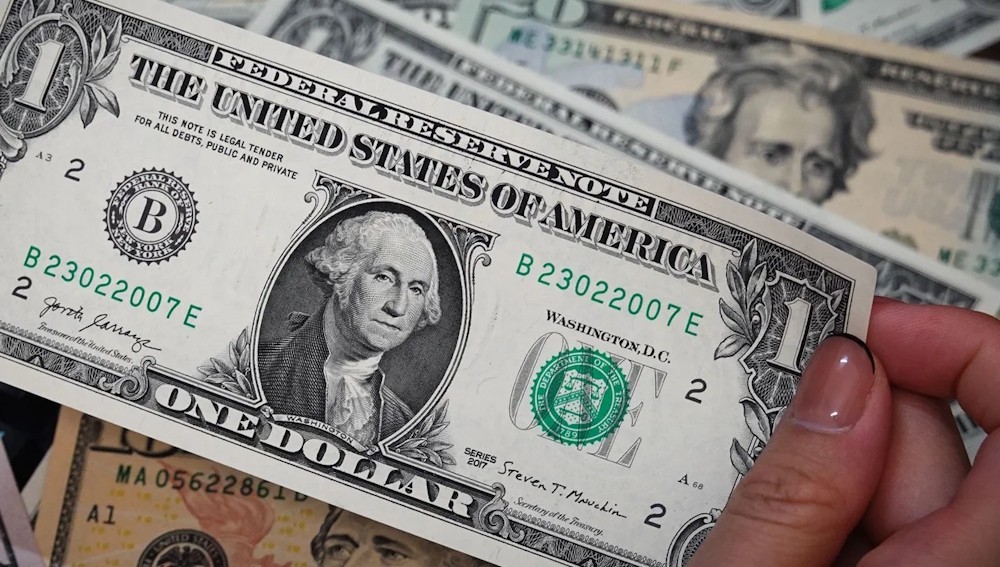
The dollar is set to achieve its first monthly gain since October on Friday, bolstered by escalating geopolitical tensions, whereas the yuan has experienced a decline in momentum after China’s choice to stop a lengthy rally in the currency. The Australian dollar was set for a fourth straight monthly gain, fueled by expectations that the central bank is likely to raise interest rates as the economy progresses. Recently, officials from Pakistan and Afghanistan have indicated that Pakistan carried out bombings aimed at Taliban government positions in significant Afghan cities during the night. Pakistan’s defence minister characterized the situation as a “open war.” On Thursday, discussions concerning Tehran’s nuclear program were advanced by representatives from the U.S. and Iran, as reported by the mediator Oman. However, there were no signs of a meaningful breakthrough that could avert potential U.S. military intervention given the considerable military buildup. This week, global market sentiment has been fragile, with investors assessing the potential effects of artificial intelligence on businesses and the overall economy. This has resulted in a movement of capital towards the perceived safety of gold and the dollar.
The dollar has demonstrated a relatively stable trading pattern. “It seems to be preparing for its upcoming major catalyst,” noted Fiona Cincotta. Challenges lie ahead, characterized by concerns over policy ambiguity, tariffs, and a lack of clear direction in that domain. “Tailwinds – the potential for the Fed to maintain interest rates at their current levels for an extended period is favorable; additionally, there is a modest safe-haven demand stemming from geopolitical uncertainties,” she stated. It appears that there is no distinct element at present driving the fluctuations in the market. The dollar has strengthened by about 0.6% against various currencies this month, bolstered by signals from Federal Reserve officials that additional rate cuts are not assured, with some expressing readiness to contemplate rate increases if inflation remains elevated. Market participants anticipate two additional rate reductions this year, although these are not expected to occur before June. The yuan halted its 10-day ascent as the People’s Bank of China stepped in on Friday to temper the pace of appreciation. The choice was taken to remove the foreign exchange risk reserves for specific forward contracts, which is viewed as a tactic to enhance dollar purchasing.
The interplay of that factor and a weaker-than-expected yuan midpoint fix led to a 0.2% decline in the onshore yuan, settling at 6.8553 per dollar. It has still gained approximately 2% thus far this year, following an appreciation of over 4% in 2025.”Experts have stated that the PBOC aims to decelerate the pace of yuan appreciation.” Recent gains suggest that China may have gained leverage in the wake of the U.S. Supreme Court’s decision to overturn President Donald Trump’s tariffs. This month, the currency market has experienced notable impacts due to the potential divergence in global interest rates. The Australian dollar experienced an increase of 0.12%, reaching a value of $0.7115. This currency has emerged as the top performer among G10 currencies this year, achieving a notable gain of 6%. The Bank of Japan is preparing to raise rates; however, this has had little effect on the yen, as domestic political dynamics complicate the rate forecast, despite BOJ Governor Kazuo Ueda expressing a readiness for a near-term increase. The Japanese currency has depreciated over the course of February, resulting in the dollar appreciating by nearly 0.9%. On Friday, it was valued at 156.17 yen.
Sterling held steady at $1.348, on track to conclude a three-month period of gains with a 1.4% drop in February. A local election in Manchester on Thursday yielded a considerable win for Britain’s Green Party, representing a setback for Prime Minister Keir Starmer’s Labour party, which has seen a marked decrease in popularity over the past year. Sterling demonstrates a significant responsiveness to domestic political events. However, with several risk events approaching, including the forthcoming budget update from finance minister Rachel Reeves, any potential volatility appears to be managed effectively. “While it offers important perspectives on Labour’s stance, it fails to sufficiently position Keir Starmer on a path towards exit,” stated Cincotta. The euro held steady, trading around $1.18, on track for a monthly decrease of 0.4%.