
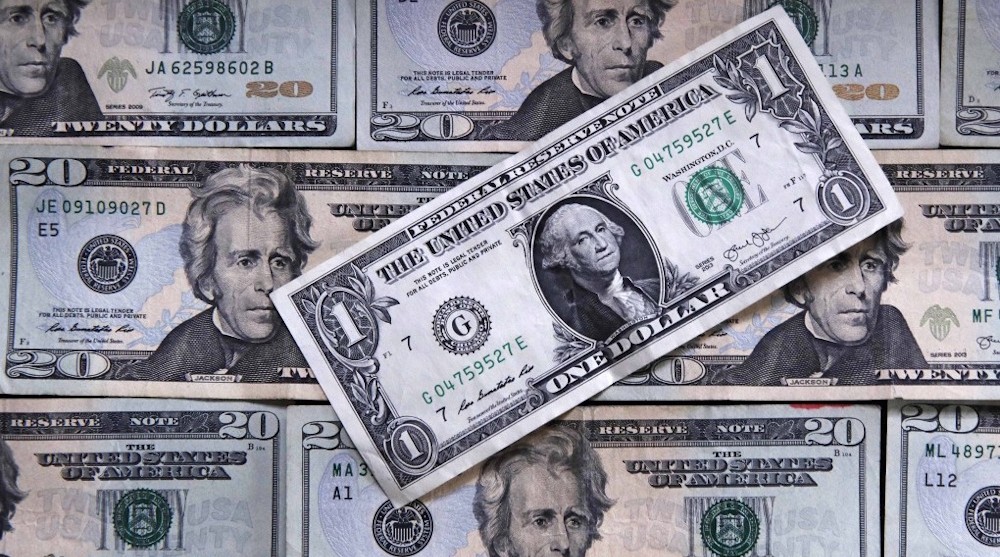
The dollar faced challenges on Wednesday, especially in relation to the Japanese yen and Australian dollar, as traders expressed concerns over potentially disappointing U.S. payrolls data. Nonfarm payrolls are expected to have risen by 70,000 last month, following a 50,000 increase in December, according to a survey of economists. A significant deviation from these projections, once the data is published at 8:30 a.m., will influence expectations regarding Federal Reserve policy. Traders are considering the possibility that the figures may be understated following comments from White House economic adviser Kevin Hassett on Monday. He indicated that Americans might experience reduced job growth numbers in the upcoming months, attributed to declining population figures and increased productivity. “The market is apprehensive about the possibility of another soft payrolls report today following Hassett’s remarks, advising against panic,” stated Lee Hardman.
Currently, the markets are fully anticipating a 25 basis point reduction in the Fed rate by June, with approximately a 50% likelihood of such a cut occurring as early as April. On Tuesday, those bets increased following the release of U.S. retail sales data for December, which came in slower than anticipated. Additionally, a separate report indicated that growth in U.S. labor costs unexpectedly decelerated in the fourth quarter. The euro increased by 0.1% to 1.1904, while sterling rose by 0.34% to $1.3686. However, the most significant movement was seen in the yen, with the dollar declining by 0.5% to 153.63, as the Japanese currency continues to excel following Prime Minister Sanae Takaichi’s decisive election win. The dollar has depreciated by 2.3% against the yen following Takaichi’s victory over the weekend, whereas the euro has declined by 1.6% against the yen. Many experts had anticipated a decline in the yen should Takaichi, who supports tax reductions despite Japan’s significant debt, achieve a substantial victory. However, the recent developments have surprised those predictions and have now taken on a somewhat self-reinforcing nature. “The yen’s inability to depreciate further, despite Prime Minister Takaichi consolidating her authority in Japan, has probably prompted speculators to reduce their short yen positions in the short term,” stated Hardman. Since September, there has been a trend of selling the yen, and currently, there appears to be a consensus that a sufficient risk premium has been factored in.
The other significant movers were associated with central banks potentially adopting a more hawkish stance.
The Australian dollar surpassed $0.71 for the first time since February 2023, last recorded at 0.5% higher at $0.7110. This movement followed remarks from Reserve Bank of Australia Deputy Governor Andrew Hauser, who indicated that inflation levels were excessively high and that policymakers were dedicated to taking all necessary measures to address the issue. “We have upgraded our Aussie dollar view… the end-year forecast is $0.73 from $0.69,” stated Moh Siong Sim. He observed that the RBA’s recent increase in rates to 3.85% marked the first adjustment in the G10, excluding Japan, and stated, “that hawkish hike will put additional focus on whether the RBA would follow with more hikes down the road.”
Current market expectations suggest there is approximately a 70% probability that rates will increase to 4.10% during the RBA’s May meeting, subsequent to the publication of first-quarter inflation data. Norway’s crown demonstrated strength following the release of stronger-than-anticipated core inflation data, which led markets to adjust their expectations regarding any additional monetary easing in the region. The dollar was last down 0.77% at 9.452 crowns, marking its lowest level since 2022, while the euro declined by 0.55% to 11.26 crowns, reaching its lowest point since June 2024.