
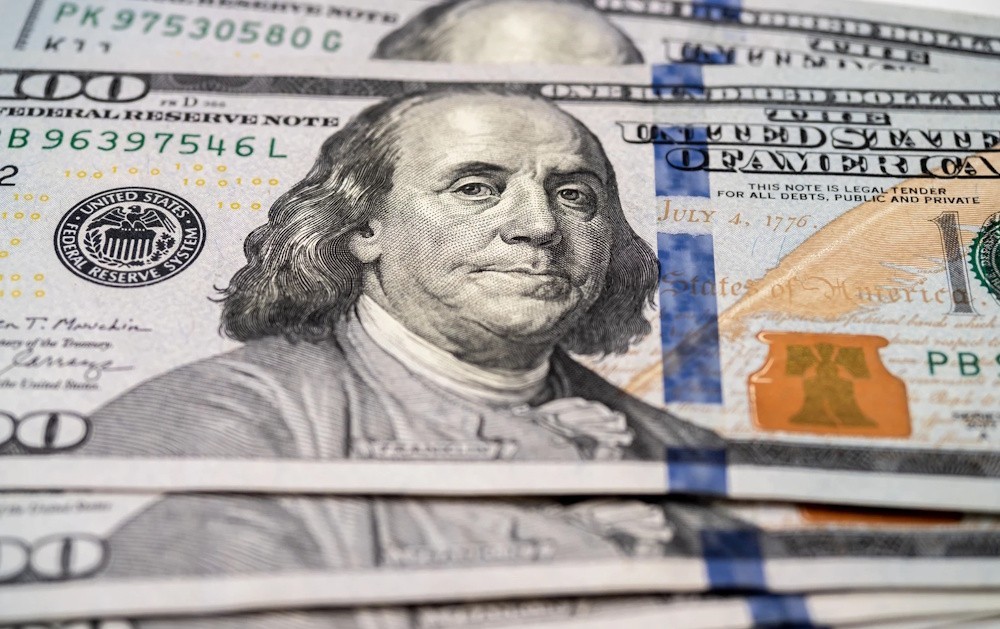
The dollar is on track for its largest monthly increase since July, emerging as the most robust safe asset amid escalating tensions in the Mideast, which have driven oil prices higher and heightened the risk of a global recession.
Overnight, the dollar continued to strengthen broadly, except against the yen, where fresh intervention threats from Tokyo have made traders cautious about pushing the yen significantly below 160 per dollar. After reaching its lowest point since July 2024 the previous day, the yen was trading at 159.81 in the Asia morning on Tuesday, reflecting a decline of approximately 2.4% for the month due to Japan’s vulnerability to soaring energy prices. It remained relatively stable following data indicating a slight deceleration in inflation rates in Tokyo this month. The euro declined by 0.3% overnight and is on track for a monthly decrease of approximately 3%, while the Australian and New Zealand dollars have fallen to multi-month lows.
The Australian dollar, which had maintained its strength for a significant portion of the month, has recently begun to weaken as market concerns have transitioned from inflation to global economic growth. The currency reached a two-month low of $0.6834 overnight and was trading at $0.6844 during the morning session in Asia. The New Zealand dollar has experienced a significant decline, reaching a four-month low of 57 cents on Monday, with its most recent trading position at approximately $0.5716. South Korea’s won has reached its lowest point since 2009. The U.S. dollar index reached its peak since last May on Monday at 100.61, marking an increase of 2.9% through March, representing its most significant monthly gain since last July.
U.S. President Donald Trump issued a stern warning on Monday, stating that the U.S. would destroy Iran’s energy facilities and oil wells if Tehran fails to open the Strait of Hormuz. This comes after Tehran labeled U.S. peace proposals as “unrealistic” and launched missiles at Israel. Kuwait reported that an Iranian attack struck a fully-laden Kuwaiti oil tanker while it was anchored in Dubai, according to the reports. “Barring any clear, conciliatory messages from the Iranian side, it is hard to see the dollar handing back this month’s gains anytime soon,” said Chris Turner. Federal Reserve Chair Jerome Powell downplayed the chances of immediate rate hikes on Monday, emphasizing the U.S. central bank’s cautious stance and noting that inflation expectations appear stable beyond the short term.
The decline in short-dated bond yields diminished expectations for any U.S. rate hikes this year; however, the dollar remained stable as it typically gains from a safety bid amid a negative global growth outlook. Alternative safe havens such as bonds and gold have both underperformed since the onset of conflict, and with the yen not gaining traction, the Swiss National Bank’s warnings to address currency strength have dissuaded investors from viewing the Swiss franc as a reliable refuge. The dollar has appreciated nearly 4% this month against the franc, currently standing at 0.80 francs. Later in the session in Europe, March inflation data is set to be released alongside the Chinese PMI surveys.