
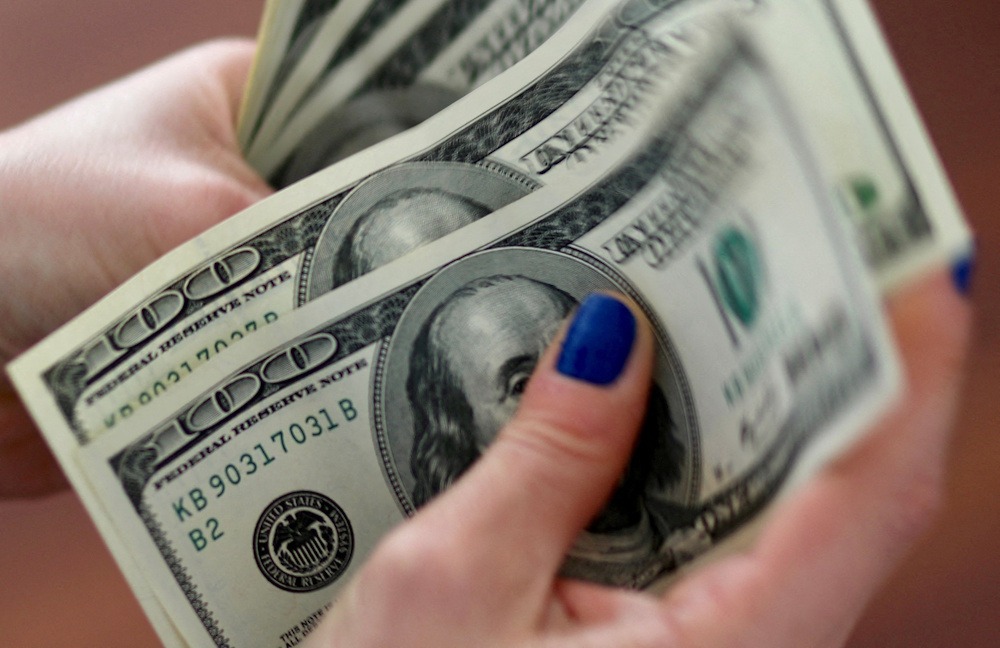
The dollar rose to multi-month highs on Friday as investors sought protection amid escalating Middle East conflict and uncertainty about deescalation. After another rollercoaster week, U.S. President Donald Trump again paused strikes against Iran’s energy facilities into April, despite Washington and Tehran’s conflicting diplomatic progress reports. As reported on Thursday that the Pentagon may send up to 10,000 more ground troops to the Middle East, despite investor hopes of a quick conflict finish.
The dollar remained strong as investors sought safety and increased expectations of a U.S. rate hike by year-end due to rising energy prices. The yen hovered at 160 per dollar at 159.61, while the euro fell 0.03% to $1.1525. Sterling fell by 0.05% to $1.3325. The conflict is unlikely to end soon, according to Carol Kong, a currency strategist. “The dollar is king while this conflict lasts. “If the crisis persists, oil prices would rise, causing the dollar to rise and hurt net energy importers like the Japanese yen and euro, she stated.
As the market sank, the risk-sensitive Australian dollar fell to a two-month bottom of $0.68722, while the New Zealand dollar fell 0.15% to $0.5754. The dollar was slightly higher at 99.93 against a basket of currencies, with a 2.3% increase expected this month, its largest since July last year. According to CME Fedwatch, investors now predict a 46% chance of a 25-basis-point rate hike from the Federal Reserve by December, a significant shift from the previously expected over 50 bps of easing before the war.
Both the Bank of England and the European Central Bank are tightening policy, with hawkish rate expectations causing bonds to fall and yields to rise. A protracted disruption to energy supply might cause a worldwide recession and drive monetary tightening, according to experts. After a significant jump overnight, U.S. Treasuries yields remained steady on Friday, with the two-year yield at 3.9776%. The benchmark 10-year yield fell to 4.4097%.