
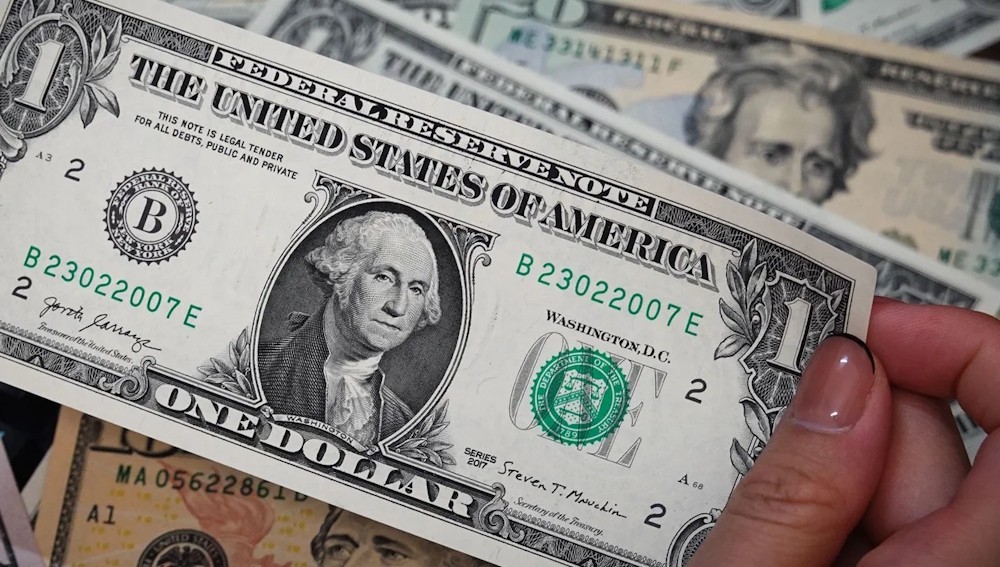
The dollar maintained its position on Wednesday as traders adopted a cautious stance, looking for indications on the next developments in the U.S.-Israeli conflict with Iran, while conflicting signals regarding a resolution to the situation left sentiment vulnerable. Global markets are anticipating that U.S. President Donald Trump will aim to resolve the conflict in the near future. However, Trump has consistently warned of significant repercussions for Iran regarding its actions to disrupt energy supplies via the Strait of Hormuz. The dollar, which has surged as the more than week-long war sent oil prices soaring, has given up some of those gains on hopes of a swift resolution, but experts remain sceptical of the conflict ending so soon. “We expect the war to run for months, not weeks, while acknowledging the high level of uncertainty,” stated Kristina Clifton.
The U.S. and Israel executed a series of airstrikes against Iran on Tuesday, which both the Pentagon and Iranian forces described as the most intense of the ongoing conflict. In a significant development for the global economy, Iran’s Islamic Revolutionary Guard Corps has announced intentions to obstruct oil shipments from the Gulf if U.S. and Israeli assaults do not come to an end. The rapidly changing landscape in the Middle East has positioned traders in a state of uncertainty regarding risk assessment, leading them to adopt a cautious approach for the time being. “Traders are largely sitting on their hands and waiting for further news and greater clarity so that risk can be priced more efficiently,” stated Chris Weston. The euro was last valued at $1.16205 during the early hours in Asia, showing a slight improvement from the three-month low it reached on Monday. Sterling was 0.12% higher at $1.34305.
The dollar index, which gauges the U.S. currency against six other competitors, stood at 98.876, moving slightly away from the three-month peak reached on Monday.
The Australian dollar, sensitive to risk, remained near the nearly four-year high reached on Tuesday, last trading at $0.713. Much of the Aussie’s gains occurred following a statement from Reserve Bank of Australia Deputy Governor Andrew Hauser on Tuesday, who cautioned that the surge in oil prices would elevate inflation and increase the pressure for a rate hike at the upcoming policy meeting next week. “The war in the Middle East has had some large impacts on expectations for central bank interest rates,” it is stated. “Since the conflict commenced at the close of February, markets have transitioned from anticipating cuts to expecting hikes, or to forecasting fewer cuts than earlier projections.” Traders in Fed funds futures are currently anticipating 39.7 basis points of cuts by the end of the year, reflecting uncertainty regarding the likelihood of a second 25-basis-point reduction from the U.S. central bank this year.
Attention will be directed towards the U.S. inflation data for February, set to be released later on Wednesday. Core consumer prices are anticipated to have increased by 0.2% for the month, while headline prices are projected to have risen by 0.3%, as per the economists. In a recent report, it is highlighted that the International Energy Agency has suggested the most significant release of oil reserves ever recorded, aimed at reducing the soaring crude prices attributed to the ongoing conflict.